
Rising straight out of the flat gravel plains between Swakopmund and Damaraland, the granite peaks of Spitzkoppe are one of Namibia's most recognisable landmarks. People call it the "Matterhorn of Namibia", but it's the details that make it special: a natural stone arch framing the sunset, ancient rock paintings hidden in the boulders, and campsites tucked between the rocks under a sky full of stars. Here's how to visit.
Spitzkoppe at a glance
- Where: central-western Namibia, between Usakos and the coast
- Height: about 1,728 metres above sea level, and roughly 700 metres above the plains
- From Swakopmund: about 2 hours by road
- Highlights: the Rock Arch, Bushman's Paradise rock art, sunsets and stargazing
- Ideal stay: 1 night, or 2 to hike and explore
What is Spitzkoppe?
Spitzkoppe is a group of granite peaks, or inselbergs, that formed more than 100 million years ago and have been slowly exposed as the softer land around them wore away. The tallest, Gross Spitzkoppe, is the one on the postcards. Nearby are the smaller Klein Spitzkoppe and the rounded Pontok Mountains. Together they create a maze of boulders, overhangs and hidden valleys that are a joy to explore on foot.
The area is managed by the local community, and the income from camping and guided walks supports people living nearby. Staying here is a good example of how tourism can benefit Namibian communities directly.
Things to do at Spitzkoppe
The classic photo
The Rock Arch
A huge natural arch of granite, perfect for framing the sunset or the Milky Way. Climb up carefully in proper shoes: the rock is smooth and can be slippery.
Ancient art
Bushman's Paradise
A sheltered valley high in the rocks, reached by a steep path with a chain to hold on to. Under an overhang you'll find rock paintings made by the San people long ago. Some have faded over time, and the paintings are fragile, so never touch them. A local guide brings the site and its history to life.
On foot
Guided walks and scrambles
Community guides lead walks through the boulders and to the best viewpoints. Gross Spitzkoppe itself is a serious technical climb, only for experienced climbers with proper equipment and a guide.
After dark
Stargazing
Far from any town, the night sky at Spitzkoppe is astonishing. On a moonless night the Milky Way stretches from horizon to horizon above the peaks. Read our guide to stargazing in Namibia.
Golden hour
Sunset and sunrise
The granite glows orange and red in the low light. Pick a spot on the rocks an hour before sunset, bring a drink, and watch the colours change.
Where to stay
Camping
The community campsite
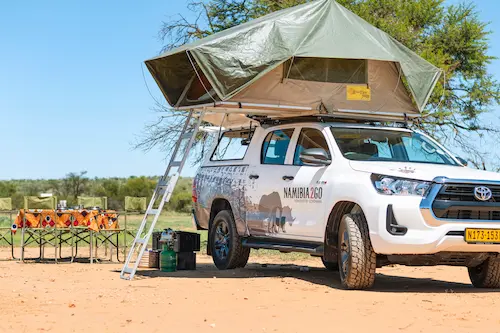
Campsites are spread out among the boulders, many with a level spot for your tent or vehicle and stunning views. Facilities are basic, so bring your own water, firewood and supplies, and check what is available when you book.
Comfort
Lodges nearby
There are lodges with chalets close to the peaks for travellers who prefer a bed and a cooked dinner, while still waking up to the view.
Getting there
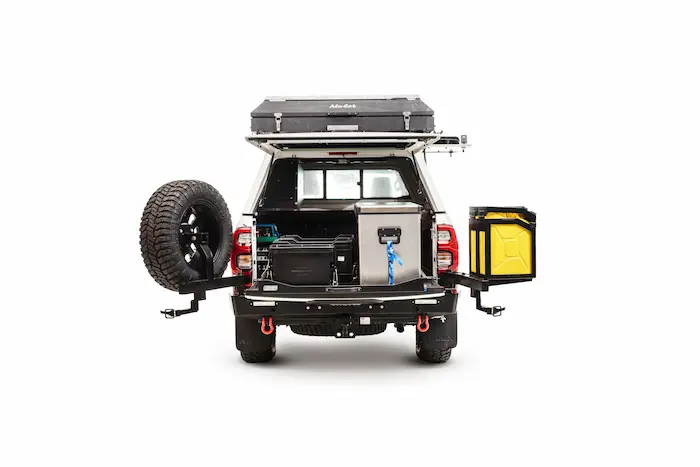
Spitzkoppe lies north-west of Usakos, just off the main road between Windhoek and Swakopmund. From Swakopmund, the drive takes about two hours, the last part on gravel. From Windhoek, allow around four hours. The gravel roads are usually in reasonable condition, but drive slowly and watch out for corrugations and sandy patches. A 4x4 or high-clearance vehicle is best, especially if you plan to drive to the more remote campsites.
A route through Spitzkoppe
Spitzkoppe fits perfectly between the coast and Damaraland, which is why many self-drive routes stop here for a night:
| Day | Route |
|---|---|
| Day 1 | Swakopmund to Spitzkoppe, about 2 hours; afternoon walk and sunset at the Rock Arch |
| Day 2 | Morning walk to Bushman's Paradise, then continue north to the Brandberg or Twyfelfontein |
| Day 3 | Explore Damaraland, then on towards Etosha |
For the next part of the trip, see our Damaraland travel guide.
When to visit
The best time is from May to September, when days are warm and pleasant for walking and the skies are clear. Nights can be cold, so bring a warm sleeping bag and layers. From October to March, days are very hot and walks are best done in the early morning. Occasional summer storms can bring dramatic skies.
Spitzkoppe for families
Spitzkoppe is a fantastic place for children who like to climb and explore. The boulders around the campsite make a natural playground, and short walks lead to caves, overhangs and viewpoints. Keep a close eye on younger children on the smooth granite, as some drops are steep, and save the chain-assisted path to Bushman's Paradise for older children who are confident climbers. Plan activities for the cool mornings and late afternoons, and rest in the shade during the heat of the day.
Photography at Spitzkoppe
- Shoot the Rock Arch at sunset, when the sky glows behind it, or at night with the Milky Way framed inside.
- Use a wide-angle lens among the boulders, and include a person for scale.
- For night photography, choose a moonless night and set up your tripod before dark.
- Early morning light on Gross Spitzkoppe from the plains is soft and warm.
Why it's called Spitzkoppe
The name comes from German and roughly means "pointed head", a fitting description of the main peak as you approach across the plains. Locally the peaks have other names too, and community guides are happy to share the stories behind them.
Spitzkoppe in the green season
After good summer rains, the plains around Spitzkoppe can turn a soft green, and storm clouds build behind the peaks in the afternoons. It's a beautiful time for photography, but walks are hot, so start at first light. Thunderstorms can be sudden here: avoid the exposed rock tops when lightning is around, and check the weather with the campsite office before setting out on longer walks.
However long you stay, take time simply to sit on the warm rock in the evening and watch the plains turn gold. It's the moment most visitors remember long after they've gone home.
If you're camping, arrive with enough daylight to choose your site and set up before dark: the best spots among the boulders go first, especially at weekends.
Tips for visiting Spitzkoppe
- Bring plenty of water: at least 5 litres per person per day if you're camping.
- Pay your entry fee at the gate and book a guide for Bushman's Paradise.
- Wear shoes with good grip for climbing on the smooth granite.
- Protect the rock art: never touch the paintings or splash water on them.
- Leave no trace: take all rubbish with you and use existing fire places only.
- Watch for scorpions and snakes when moving rocks or collecting firewood, and shake out your shoes in the morning.
Want Spitzkoppe built into a self-drive or guided route? Explore our Namibia tours, and see our Namibia packing list before you go.
Frequently asked questions
Where is Spitzkoppe?
Spitzkoppe is in central-western Namibia, north-west of Usakos, about 2 hours by road from Swakopmund and around 4 hours from Windhoek.
Can you camp at Spitzkoppe?
Yes. The community-run campsite has sites spread among the boulders. Facilities are basic, so bring your own water, firewood and supplies.
Can you climb Spitzkoppe?
Gross Spitzkoppe is a technical climb for experienced climbers with equipment and a guide. Most visitors explore the Rock Arch, Bushman's Paradise and the boulders on guided walks.
What is Bushman's Paradise?
A sheltered valley high in the Spitzkoppe rocks, reached by a steep path with a chain, where San rock paintings survive under an overhang. Visit with a local guide.
When is the best time to visit Spitzkoppe?
May to September is best, with warm days and clear skies, but cold nights. From October to March, walk in the early morning to avoid the heat.
Add Spitzkoppe to your route
We'll plan Spitzkoppe between the coast and Damaraland, camping or in a lodge.
WhatsApp Us Explore Namibia Tours