
In Namibia's far north-west, the roads fade into tracks, the mountains grow wilder, and the Kunene River carves a green ribbon through the desert. This is Kunene and Himba Country, also known as the Kaokoveld, one of the last true wildernesses in Africa. This guide covers what to see, how to visit the Himba people respectfully, and how to travel safely in this remote region.
Kunene at a glance
- Where: North-western Namibia, on the Angolan border
- Main town: Opuwo
- Highlights: Epupa Falls, the Kunene River, the Marienfluss and Hartmann's Valley, Himba culture
- Best season: May to October
- Getting there: 4x4 self-drive or guided tour, or fly-in to remote lodges
Who are the Himba?
The Himba are semi-nomadic pastoralists who have lived in the Kunene region for centuries, moving with their cattle and goats between seasonal grazing areas. Himba women are famous for covering their skin and hair with otjize, a mixture of butterfat and red ochre that protects against the sun and is a symbol of beauty. Many Himba families still follow their traditional way of life, while others live in towns such as Opuwo. Their culture is living and changing, not a museum exhibit.
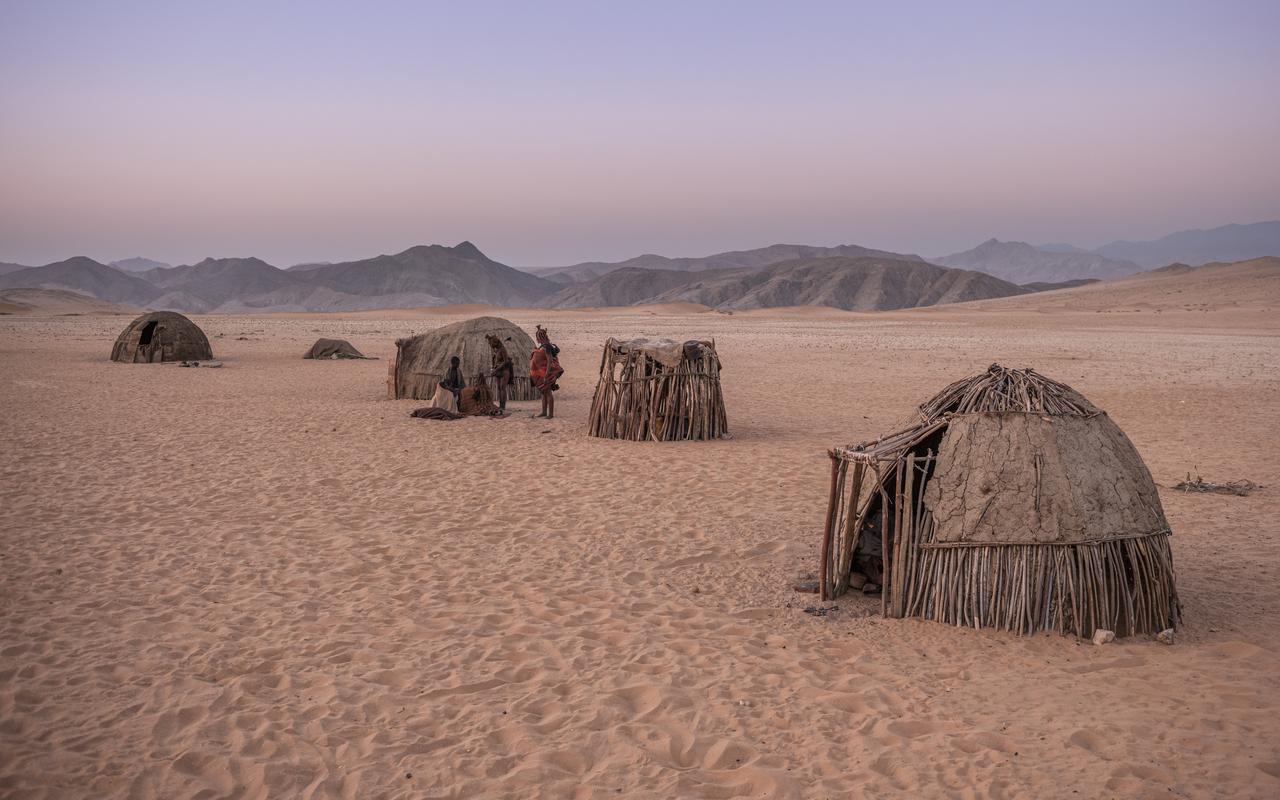
How to visit a Himba village respectfully
- Go with a local guide who speaks the language and has a relationship with the community. Lodges and community-run tours arrange this properly.
- Ask before taking photos, and accept a "no" with a smile.
- Bring useful gifts through your guide, such as maize meal, sugar or cooking oil, rather than sweets or money handed to children.
- Buy crafts directly from the makers, so your money supports the family.
- Listen and ask questions: the best visits are conversations, not photo stops.
Things to see in Kunene
Waterfalls on the border
Epupa Falls
On the Kunene River, about 180 km north of Opuwo, the river drops through a series of channels and pools fringed by baobabs and palm trees. Sunset from the hill above the falls is spectacular.
Remote valleys
The Marienfluss and Hartmann's Valley
Two vast, empty valleys in the far north-west, with golden grass, "fairy circles" and dunes running down to the Kunene River. Only reachable by experienced 4x4 travellers or by air.
Regional capital
Opuwo
The main town of the region, where Himba, Herero and other communities come to trade. A good place to refuel, stock up and arrange a guided village visit.
Desert wildlife
The Hoanib and Hoarusib rivers
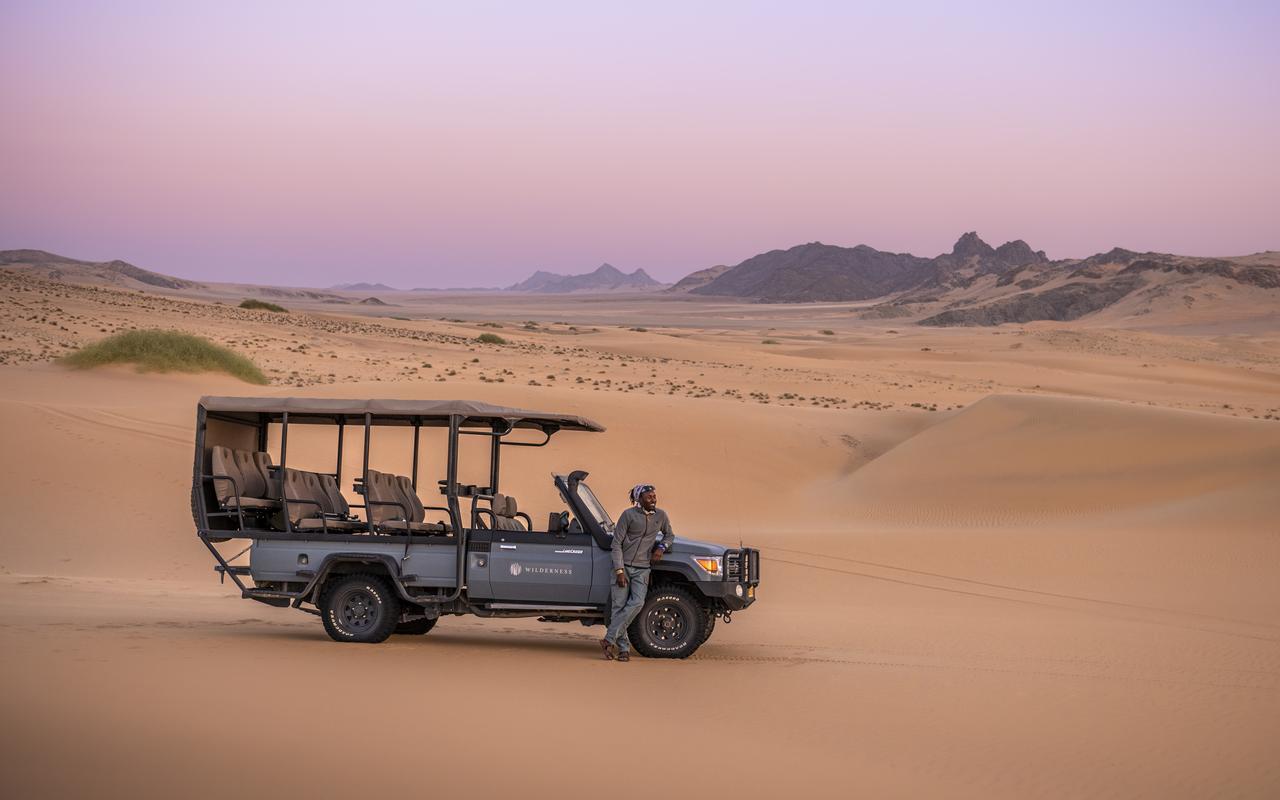
In the south of the region, dry riverbeds draw desert-adapted elephants, giraffes and occasionally desert lions. Guided drives are the best way to find them.
Where to stay in Kunene
One of Africa's most remote camps
Serra Cafema
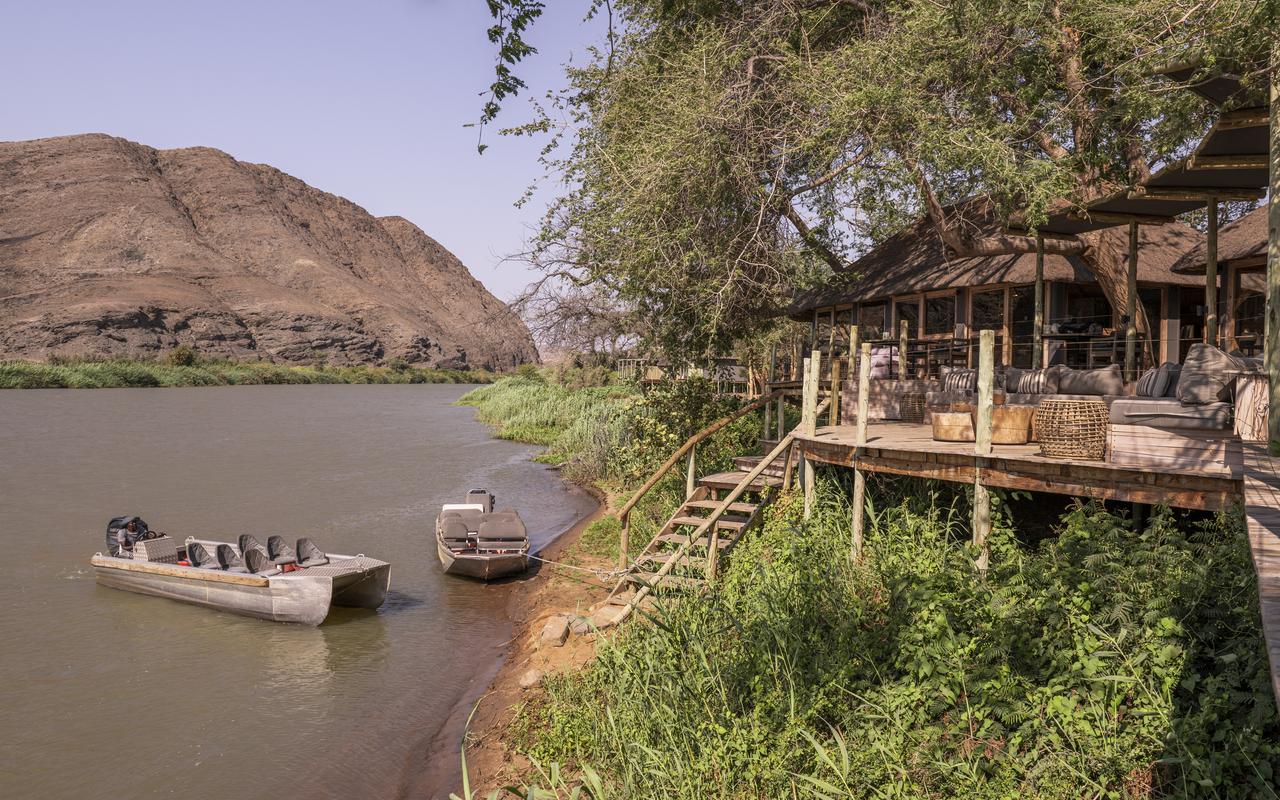
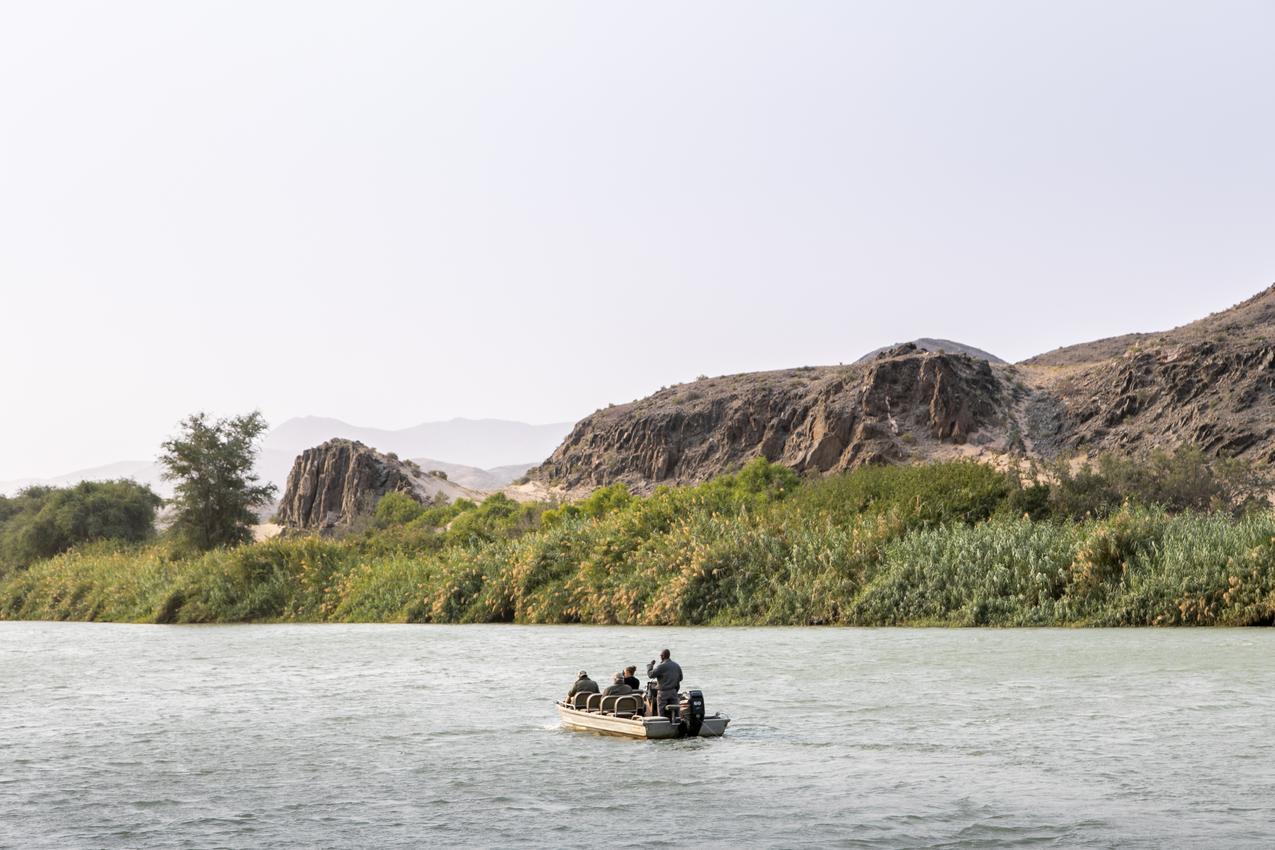
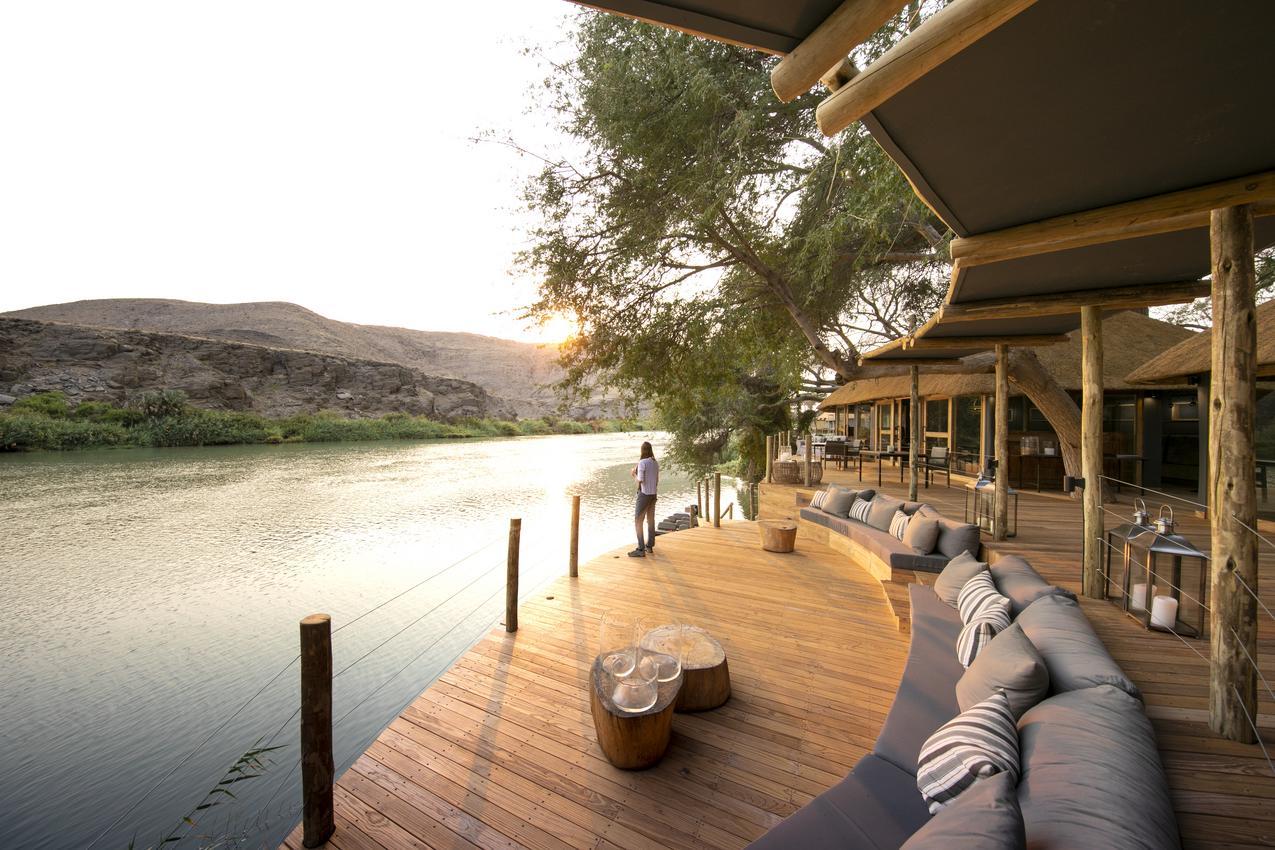
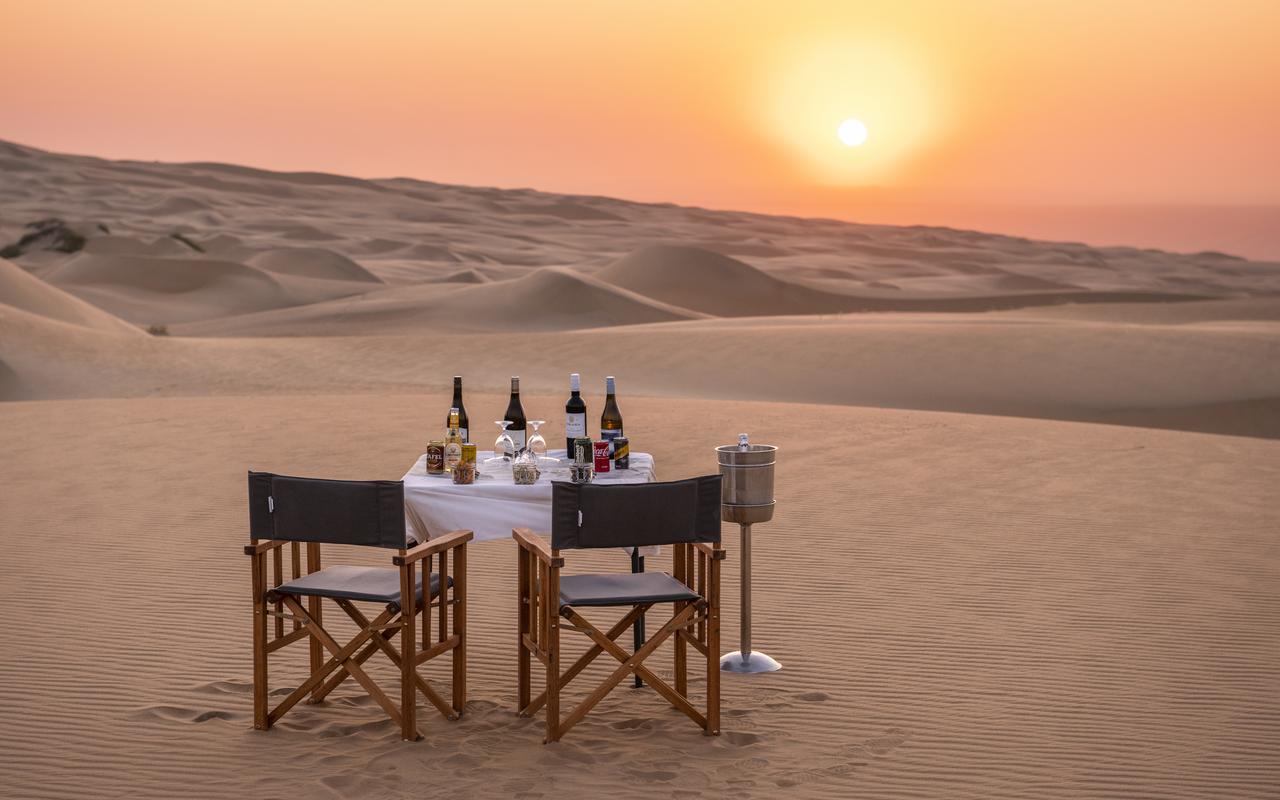
A Wilderness camp on the banks of the Kunene River in Hartmann's Valley, reached by light aircraft. Boat trips, nature drives, dune walks and visits with local Himba communities, in one of the most remote places you can stay in Africa.
Riverside camps
Lodges and campsites at Epupa Falls
A choice of riverside lodges and community campsites under the palms, ideal for self-drive travellers.
Travelling safely in Kunene
- Use a 4x4 with two spare tyres, and travel with a second vehicle on the most remote routes.
- Carry extra fuel, water and food: Opuwo is the last reliable place to refuel and shop.
- Avoid the notorious Van Zyl's Pass unless you are a very experienced off-road driver. It is steep and dangerous, and only driven from east to west.
- Check river crossings after rain, as dry riverbeds can flood quickly.
- Consider a fly-in safari to reach the remote north-west in comfort and save days of driving.
- Malaria: parts of the region carry a malaria risk, especially in the rainy season. Ask a travel clinic before you go.
When to visit Kunene
The dry season, from May to October, is best for road conditions and comfortable temperatures. Epupa Falls flows strongest after the rains, from about March to May. See our guide to the best time to visit Namibia, and combine Kunene with Damaraland and Etosha for an unforgettable journey.
Himba culture: what you'll notice
- Otjize: Himba women cover their skin and hair in a paste of butterfat and red ochre, which protects against the sun and is a mark of beauty.
- Hairstyles: they show a person's age and status, from children's plaits to the elaborate styles of married women.
- The holy fire: at the centre of many homesteads, the fire connects the family with their ancestors and is never allowed to go out.
- Cattle: livestock are wealth, food and identity, and much of daily life revolves around them.
- Opuwo's mix: in town you'll also see Herero women in long Victorian-style dresses and horn-shaped headdresses.
A 5-day Kunene route
| Day | Route |
|---|---|
| Day 1 | Etosha (Galton or Andersson Gate) to Opuwo; restock and refuel |
| Day 2 | Morning Himba village visit with a local guide, then drive to Epupa Falls |
| Day 3 | Epupa Falls: sunrise and sunset viewpoints, riverside walk |
| Day 4 | Back to Opuwo, then south towards the Hoanib or Palmwag area |
| Day 5 | Desert-adapted wildlife drive, then on to Damaraland |
Add two or three days if you want to reach the Marienfluss or Hartmann's Valley. Those routes are for experienced 4x4 drivers travelling with a second vehicle, or for fly-in guests.
At Epupa Falls
Walk to the viewpoints above the falls at sunrise and sunset, when the light turns the spray gold and the baobabs glow. Lodges and campsites offer guided walks and short excursions along the river. The Kunene is home to crocodiles, so never swim in the river itself, and only use pools your guide or lodge says are safe.
Getting there
Most travellers reach Kunene from Etosha or Damaraland, driving north to Opuwo, the region's main town. From Opuwo, the road to Epupa Falls is gravel and slow, so allow most of a day. For the most remote corners, a fly-in safari saves days of driving and gives you a view of the landscape you could never get from the road. Our Namibia travel tips cover driving and fuel in more detail.
Photography with respect
Kunene is one of the most photogenic regions of Africa, but people are not scenery. Always ask before photographing anyone, through your guide if you don't share a language, and show people the pictures you have taken. Many visitors find that putting the camera away for the first part of a visit leads to far better conversations, and far better photographs later.
Above all, travel slowly here. Kunene rewards patience more than any other region of Namibia.
The Kunene River glides past, green and quiet, with Angola's mountains on the far bank. A Himba woman smiles as she shows you how she makes otjize. Out here, at the edge of the map, you remember why you travel.
Frequently asked questions
Where is the Kunene region in Namibia?
The Kunene region is in north-western Namibia, along the Kunene River on the border with Angola. Opuwo is the main town, and the far north-west is often called the Kaokoveld.
Can you visit the Himba people?
Yes, with a local guide or through your lodge. Ask before taking photos, bring useful gifts through your guide rather than sweets or money, and buy crafts directly from the makers.
How do you get to Epupa Falls?
Epupa Falls is about 180 km north of Opuwo on a gravel road. A 4x4 or high-clearance vehicle is recommended, and there are lodges and campsites beside the falls.
Do you need a 4x4 in the Kunene region?
Yes. Most roads are gravel or rough tracks, and remote areas such as the Marienfluss and Hartmann's Valley should only be driven by experienced 4x4 travellers, ideally in convoy.
What is the best time to visit Kunene?
May to October is best for road conditions and comfortable temperatures. Epupa Falls is at its fullest after the rains, from about March to May.
Is it ethical to visit a Himba village?
It can be, if you go with a local guide who has a relationship with the community, ask before taking photos, bring useful gifts through your guide and buy crafts directly from the makers. Avoid tours that treat the visit as a photo stop.
Are there crocodiles at Epupa Falls?
Yes. The Kunene River has crocodiles, so never swim in the river. Only use pools that your guide or lodge confirms are safe.
Plan your Kunene adventure
Self-drive with expert routing, a guided tour or a fly-in safari to Serra Cafema: we'll plan it safely for you.
WhatsApp Us Explore Namibia Tours