There is no bad time to visit Namibia, but there is a best time for the trip you have in mind. Do you dream of lions and elephants crowding around a waterhole, red dunes in cool morning air, or green plains full of newborn springbok under storm-filled skies? This month-by-month guide explains Namibia's seasons, the best time to visit Namibia for each region and travel style, and when to book your Namibia tour so you get the lodges you want.
The short answer
- Best overall: May to October, the dry season, with sunny days and the best wildlife viewing
- Best for Etosha safaris: July to October, when animals gather at the waterholes
- Most comfortable for the desert: May to September, with cooler days for climbing dunes
- Best value and photography skies: January to April, the green season
- Busiest: July, August and late December, so book 9 to 12 months ahead
Namibia's two seasons explained
Namibia is one of the driest countries in Africa and enjoys around 300 days of sunshine a year. Instead of four classic seasons, it has two that matter for travellers: a long dry season and a short, warm rainy season, often called the green season. Remember that seasons are reversed from Europe and North America: June and July are winter in Namibia.
| Season | Months | Weather | Why go |
|---|---|---|---|
| Dry season (winter) | May–August | Sunny, mild days; cold nights, especially in the desert | Comfortable touring, great wildlife, clear skies |
| Dry season (hot) | September–October | Hot, very dry, clear | The best game viewing of the year in Etosha |
| Rainy (green) season | November–April | Hot days; short afternoon thunderstorms, mostly in the north and centre | Green scenery, baby animals, birdlife, lower prices |
Rain in Namibia usually falls as short, dramatic afternoon storms rather than all-day downpours. The south and the coast get very little rain at all, so even in the green season most days are sunny.
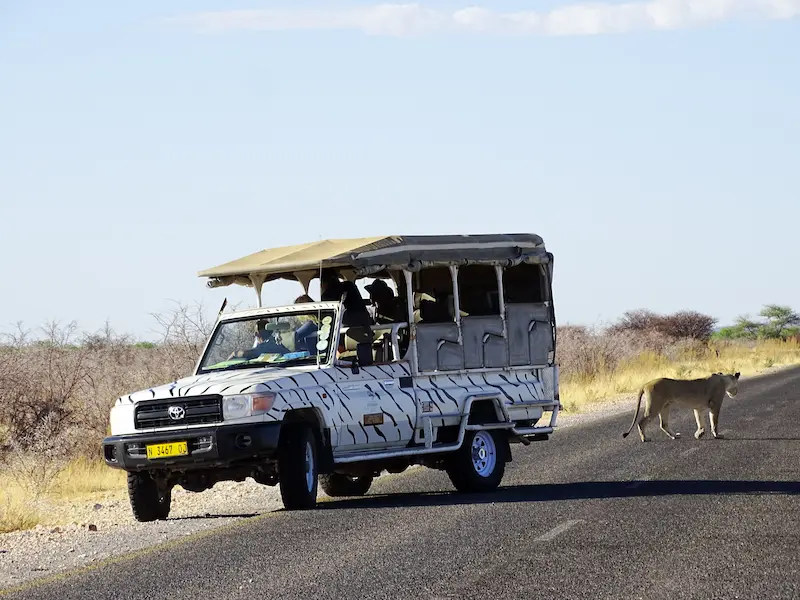
Namibia weather month by month
Use this table to compare the weather, highlights and how busy each month is. "Demand" shows how quickly lodges and Etosha camps get booked up, not how crowded it feels: even in peak season, Namibia feels wonderfully open.
| Month | Weather | Highlights | Demand |
|---|---|---|---|
| January | Hot, with afternoon thunderstorms in the north and centre | Green landscapes, newborn antelope, migrant birds | Low |
| February | Wettest month inland; humid in Etosha | Lush scenery, dramatic skies, birding at its best | Low |
| March | Rains easing; still green | Green season value, flamingos on the Etosha Pan in good rain years | Low |
| April | Rains ending, warm days, cooler nights | Clear air, green hills turning gold, Easter holidays | Medium |
| May | Dry, sunny, pleasant days | Ideal self-drive weather, start of the Fish River Canyon hiking season | Medium |
| June | Dry and clear; cold desert nights | Wildlife gathers at waterholes, crisp sunrise light | High |
| July | Coolest month; frost possible inland | Peak Etosha game viewing, European summer holidays | Very high |
| August | Dry, warming up; windy at times | Excellent wildlife, starry skies, busy lodges | Very high |
| September | Hot days, dry, very clear | Top wildlife month, fewer families than July and August | High |
| October | Hottest and driest month | Animals packed around waterholes, dramatic photography | High |
| November | Very hot; first rains possible late in the month | Build-up storms, prices start to drop | Medium |
| December | Hot, scattered rain | Green season begins, local and Christmas holidays | Medium |
Etosha average temperatures and rainfall
Etosha shows the pattern of northern and central Namibia clearly: dry, cool winters and hot, wetter summers. Long-term averages from Weather2Travel:
| Month | Average high | Average low | Rainfall |
|---|---|---|---|
| Jan | 33°C | 19°C | 95 mm |
| Feb | 31°C | 19°C | 113 mm |
| Mar | 30°C | 18°C | 79 mm |
| Apr | 31°C | 15°C | 26 mm |
| May | 28°C | 10°C | 3 mm |
| Jun | 26°C | 7°C | 1 mm |
| Jul | 26°C | 6°C | 0 mm |
| Aug | 29°C | 9°C | 0 mm |
| Sep | 33°C | 13°C | 2 mm |
| Oct | 35°C | 17°C | 8 mm |
| Nov | 34°C | 18°C | 43 mm |
| Dec | 35°C | 18°C | 56 mm |
On the coast it is a different story. In Swakopmund, daytime highs stay around 18–23°C all year, cooled by the cold Benguela Current and morning fog.
Namibia season by season
June to August
Winter: the classic Namibia tour season
Sunny, dry days of around 20–26°C make winter the most comfortable time for a long Namibia road trip. Vegetation thins out, so animals are easier to spot, and they stay near waterholes. The catch: nights in the desert and on the central plateau can drop close to freezing, so pack a warm jacket. This is also peak season, driven by European summer holidays, so the best lodges fill early.
September to October
Late dry season: the best time for an Etosha safari
By September, most natural water has dried up and Etosha's waterholes become wildlife magnets. Elephants, lions, rhinos, giraffes and huge herds of zebra and springbok gather in the same places, often in a single afternoon. Days get hot (33–35°C in Etosha in October), so game drives focus on early morning and late afternoon. If wildlife is your priority, this is the time to go.
November to December
The build-up and first rains
Heat builds, clouds gather and the first storms arrive, usually from late November. The first rain brings the smell of wet earth and a burst of new life. Prices at many lodges start to drop, though the Christmas and New Year period is busy with local and South African travellers.
January to April
Green season: Namibia's hidden secret
The rains turn the plains of Etosha and Damaraland green, many antelope give birth, and migrant birds arrive from Europe and the rest of Africa. In years of good rain, flamingos can gather on the Etosha Pan. Wildlife is more spread out because there is water everywhere, but the scenery, storm skies and photography are spectacular. Many lodges offer their lowest rates, and you will share the parks with far fewer visitors.
April to May
Shoulder season: our insider pick
The rains end, the air is clean and clear, and the landscape is still tinged with green and gold. Days are warm, nights are cool but not cold, and lodges are quieter than in peak season. For many travellers, this is the sweet spot between good weather, good value and good wildlife.
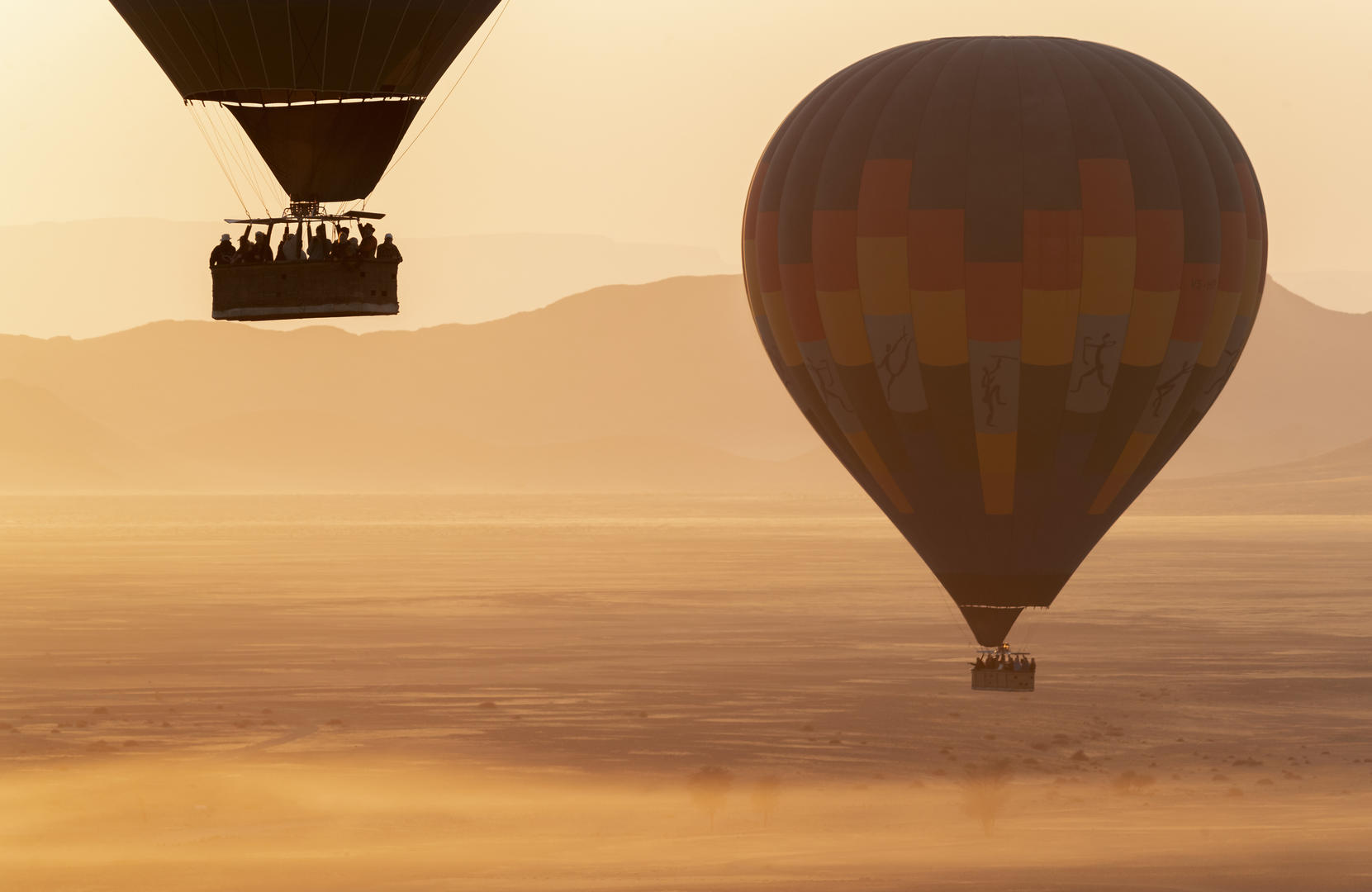
Best time to visit Namibia by region
Etosha National Park
Best: July to October. The dry season delivers Namibia's best game viewing, with animals concentrated around waterholes such as Okaukuejo, Halali and Namutoni. The green season (January to April) is wonderful for birders, photographers and newborn animals, but wildlife is harder to find.
Sossusvlei and the Namib Desert
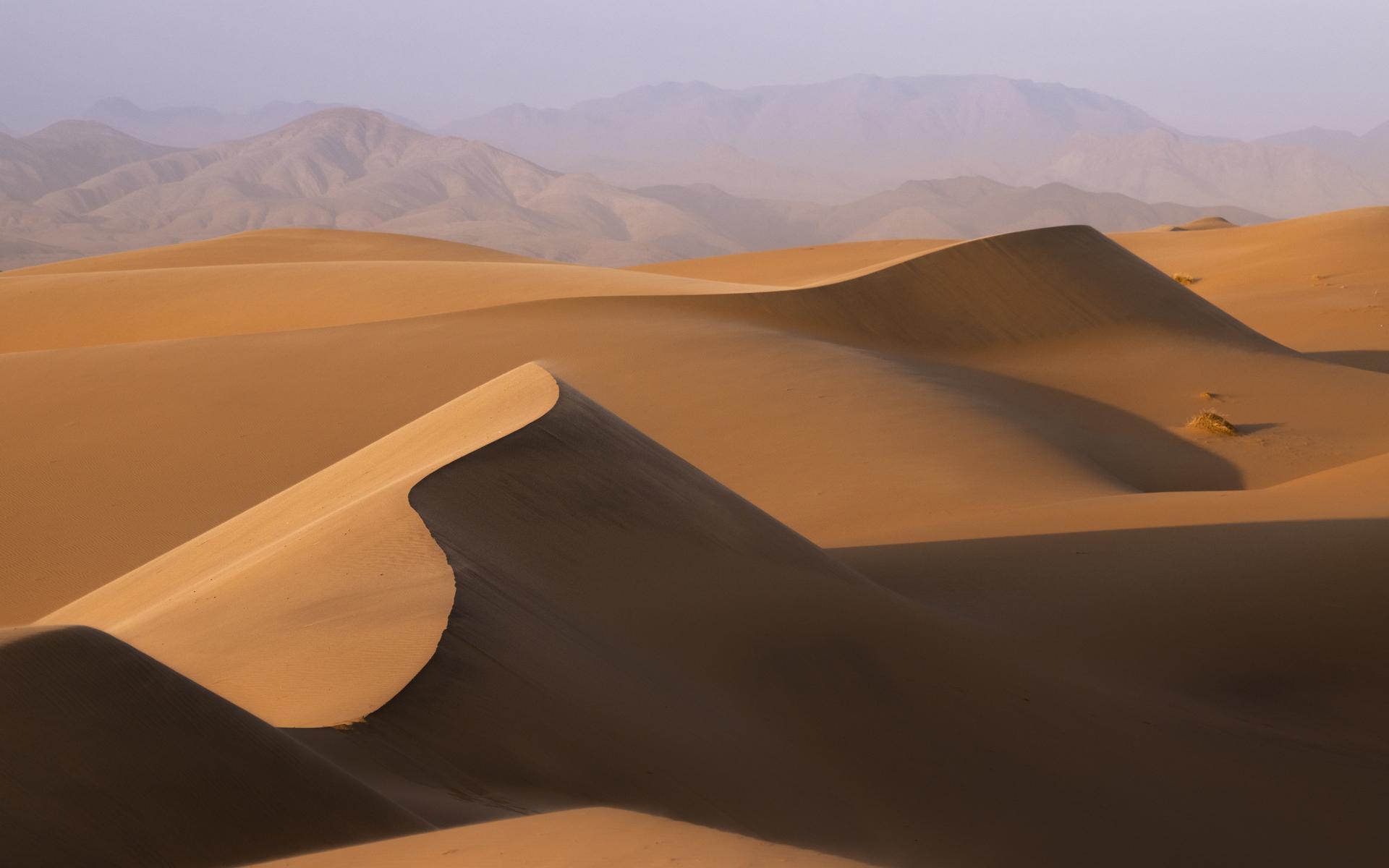
Best: May to September. Cooler days make climbing Dune 45 and Big Daddy far more enjoyable. In summer, temperatures in the dunes can soar by late morning, so visit at sunrise. Read our Sossusvlei and Deadvlei guide for gate times and where to stay.
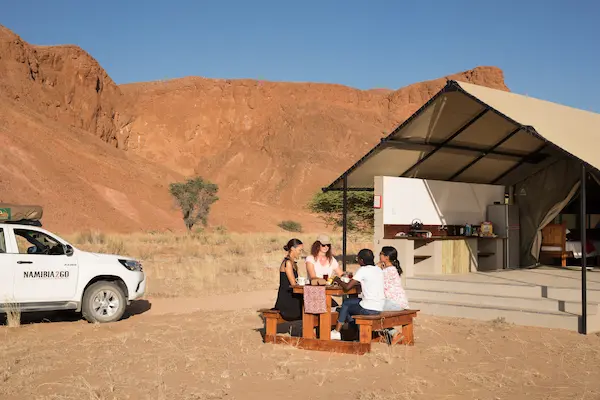
Swakopmund, Walvis Bay and the Skeleton Coast
Good all year. The coast is cool and often foggy, especially in the mornings, with highs around 18–23°C year-round. In winter, warm east winds sometimes bring hot, dusty days to the coast. December and January are the busiest months, when Namibians head to the sea to escape the inland heat.
Damaraland and the Kunene region
Best: May to October. Dry conditions are best for tracking desert-adapted elephants and black rhinos, and for visiting Twyfelfontein's rock engravings. After good rains, the region turns briefly green, a rare and beautiful sight.
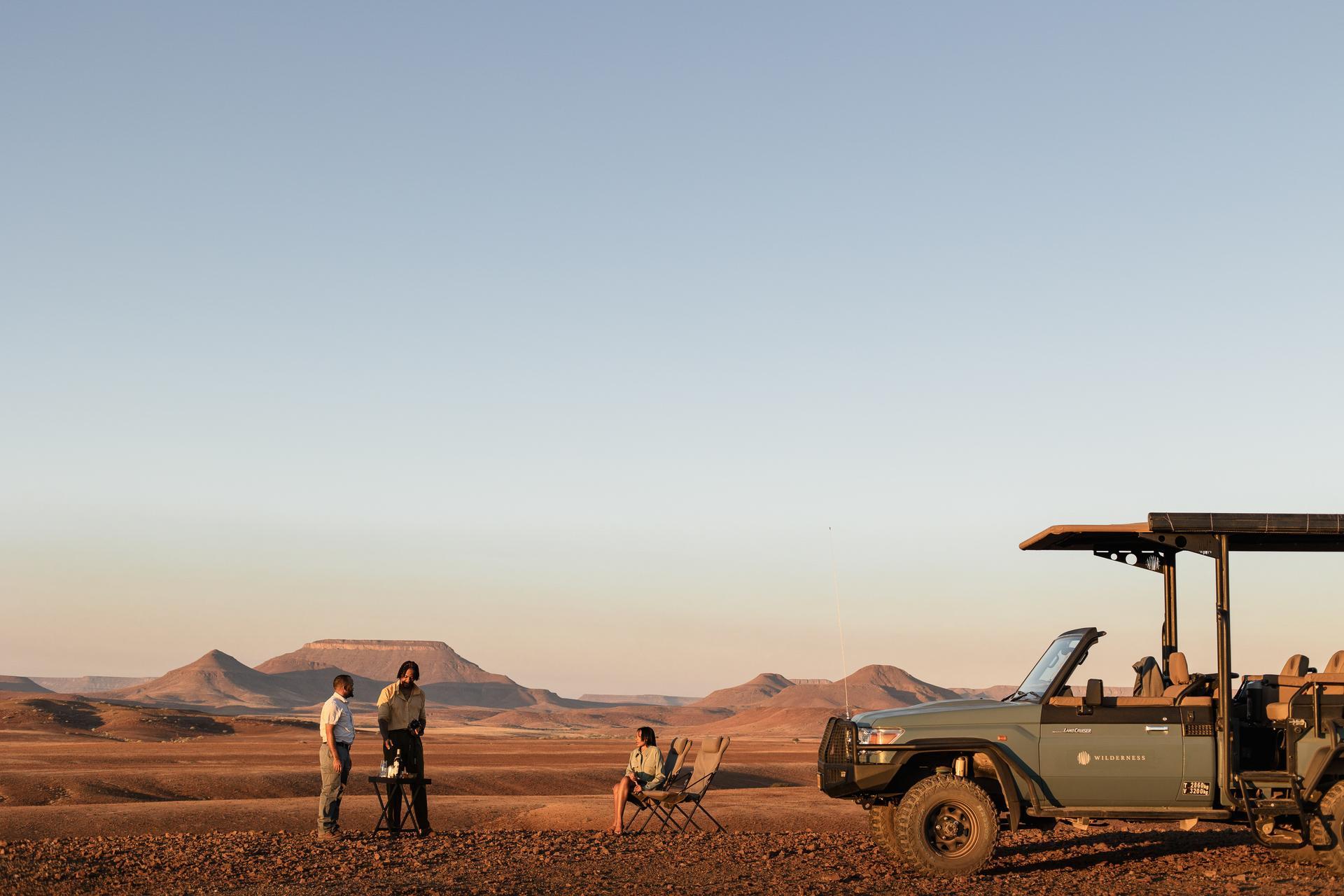
Fish River Canyon and the south
Best: May to September. The famous multi-day Fish River Canyon hike is only open in the cooler months, usually from about May to mid-September, and dates can shift with water levels. In 2026, the trail only reopened on 17 July after high water. Summer in the south is extremely hot, so stick to viewpoints and short walks then.
The Zambezi Region (Caprivi)
Best: May to October. This lush, river-fed region in the far north-east is wetter and more humid than the rest of Namibia, and it is a malaria area, especially in the rainy months. The dry season brings large elephant herds to the Kwando, Chobe and Zambezi rivers.
Best time to visit Namibia for your travel style
| If you want… | Go in | Why |
|---|---|---|
| Big game and waterholes | July–October | Animals gather at Etosha's waterholes |
| A self-drive road trip | April–June, September | Pleasant temperatures and quieter roads and lodges |
| Desert hiking and dunes | May–September | Cooler days for climbing and walking |
| Photography | January–April or June–August | Storm skies and green plains, or crisp winter light |
| Birdwatching | December–March | Migrant birds and breeding plumage |
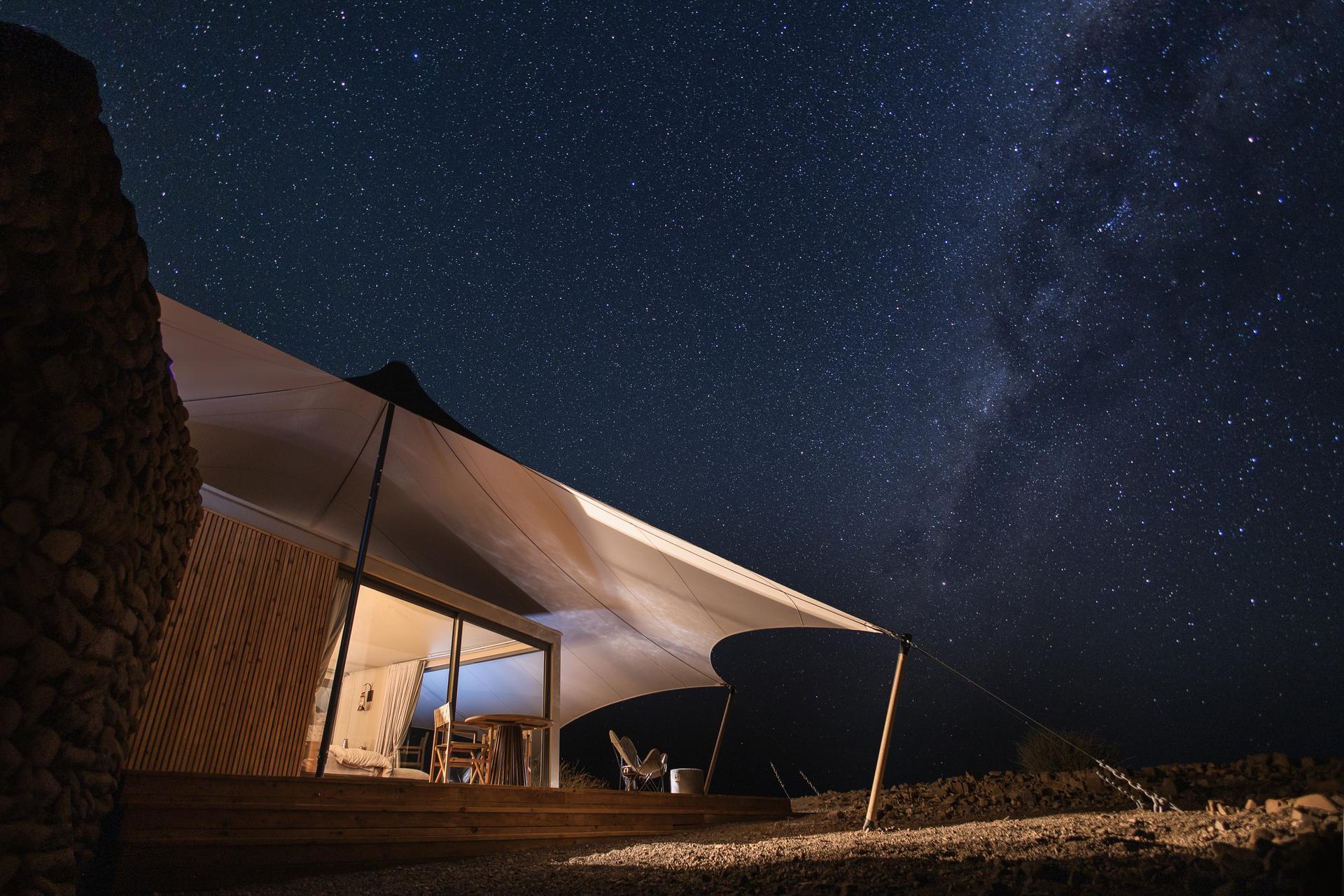
| Stargazing | May–September | Dry, cloudless nights and dark skies |
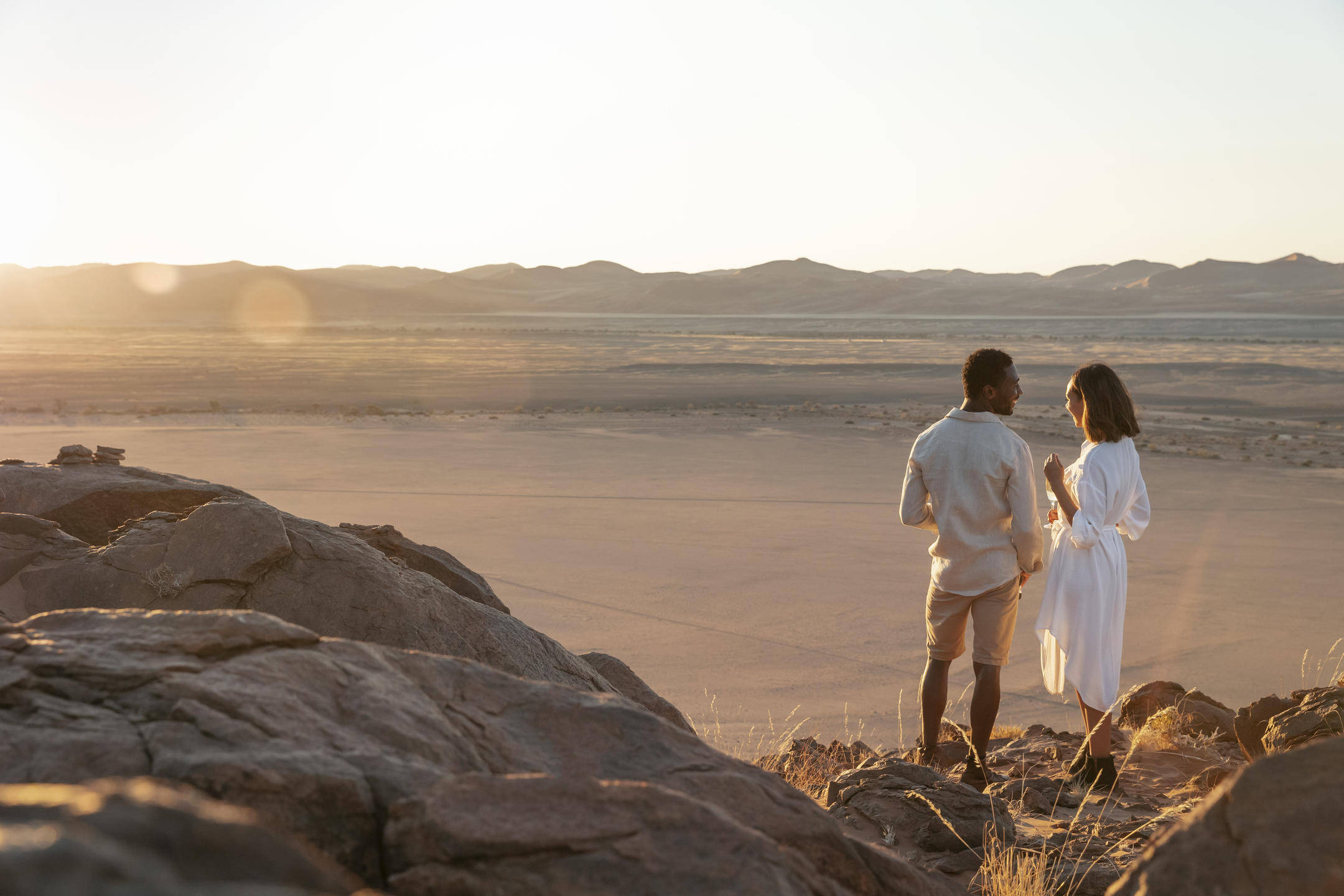
| A honeymoon | April–May or September–October | Great weather with fewer people around |
| Family holidays | April, June–August | Comfortable temperatures; book early for school holidays |
| The best value | January–March, November | Lower green-season rates and easier availability |
Is the rainy season a good time to visit Namibia?
Yes, for the right traveller. The green season is not a washout: most rain falls in short afternoon storms, mornings are usually clear, and the south and the coast stay mostly dry. You get lower rates, fewer vehicles at sightings, vivid green landscapes and some of Africa's most dramatic skies. The trade-offs are hot, humid days, wildlife that is more spread out, and the chance of rivers flooding gravel roads after heavy storms. On a self-drive, allow extra time and check road conditions locally.

What to pack for each season
- All year: sunscreen, a wide-brimmed hat, sunglasses, a refillable water bottle, binoculars and neutral-coloured clothes for game drives
- May to August: a warm fleece or down jacket, beanie and gloves for early game drives and desert nights
- September to April: light, breathable clothing, a light rain jacket and insect repellent
- For the coast: a windproof layer, as Swakopmund can be cool and foggy even in summer
- For the dunes: closed shoes, because sand gets very hot by mid-morning
When to book your Namibia tour
Namibia has a limited number of lodges and camps in its most popular areas, especially inside Etosha and near Sossusvlei. For travel in July, August and September, or over Christmas and Easter, we recommend booking 9 to 12 months ahead. For the green and shoulder seasons, 4 to 6 months is usually enough. Fly-in safaris and small luxury camps fill first, so start early if you have your heart set on one.
Not sure which month suits you? Tell us what matters most, such as wildlife, comfort, budget or photography, and we will suggest the right time and route on one of our Namibia tours.
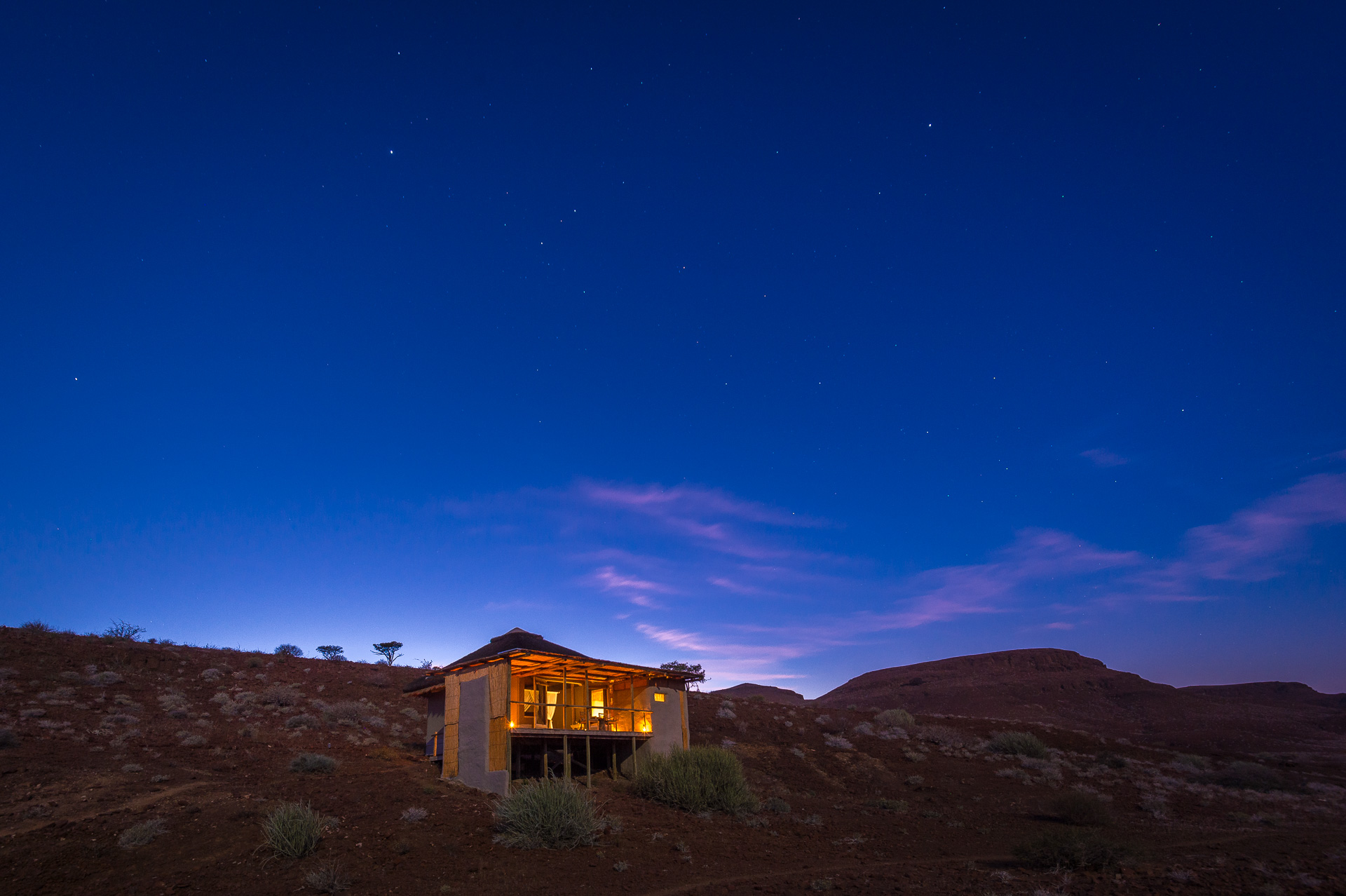
Sample Namibia routes by season
- Dry season classic (10–14 days): Windhoek, Sossusvlei, Swakopmund, Damaraland and Etosha, ideal from May to October
- Green season escape (8–10 days): Sossusvlei and the coast, which stay dry, plus Etosha for birds and green plains
- Southern winter adventure (12–14 days): the Kalahari, Fish River Canyon and Lüderitz, then north to the dunes, best from May to September
The first storm of the season rolls across the plain, and the whole of Etosha seems to breathe in. A day later, the grass is green and the springbok are dancing. Every month in Namibia tells its own love story. You only have to choose which one is yours.
Frequently asked questions
What is the best month to visit Namibia?
For most travellers, the best months are May to October, the dry season. September is often considered the single best month, with excellent wildlife in Etosha, hot but comfortable days and slightly fewer visitors than July and August.
When is the rainy season in Namibia?
The rainy season runs from about November to April, with most rain falling between January and March as short afternoon thunderstorms in the north and centre. The coast and the south get very little rain.
What is the best time for an Etosha safari?
July to October is the best time for an Etosha safari. With little water elsewhere, animals gather at the waterholes, making sightings easier. The green season from January to April is better for birds and newborn animals.
Is Namibia cold in winter?
Days in winter (June to August) are usually sunny and mild, around 20 to 26°C, but nights can be very cold, especially in the desert and on the central plateau, where temperatures can drop close to freezing.
Is it worth visiting Namibia in the green season?
Yes, if you enjoy green landscapes, birdlife, dramatic skies and lower prices. Rain usually falls in short afternoon storms, and the south and the coast stay mostly dry. Wildlife is more spread out than in the dry season.
When is the best time to visit Sossusvlei?
May to September is the most comfortable time to visit Sossusvlei, as cooler days make climbing the dunes easier. Whatever the month, go at sunrise for the best light and the coolest temperatures.
How far in advance should I book a Namibia tour?
Book 9 to 12 months ahead for July to September and the Christmas and Easter holidays, when Etosha and Sossusvlei lodges fill quickly. For other months, 4 to 6 months is usually enough.
When is the cheapest time to visit Namibia?
The green season, from about January to March, plus November, is usually the cheapest time to visit Namibia, with lower lodge rates and better availability. Avoid the Christmas period if you are on a budget.
Find your perfect month for Namibia
Tell us when you can travel and what you most want to see, and our Namibia specialists will plan the ideal route for that season.
WhatsApp Us Explore Namibia Tours