Namibia is one of the easiest and most rewarding countries in Africa to travel, but a few practical details make all the difference: money, phones, fuel, driving distances and what to pack. These Namibia travel tips answer the questions our travellers ask most, so you can plan your trip with confidence.
Namibia essentials
- Currency: Namibian dollar (N$), equal to the South African rand; the rand is accepted too
- Language: English is the official language
- Time zone: UTC+2 all year
- Plugs: South African style, types D and M
- Driving: on the left; most roads outside towns are gravel
Money and payments
- The Namibian dollar is fixed one-to-one with the South African rand, and rand notes are accepted everywhere in Namibia. Namibian dollars are not accepted in South Africa, so spend them before you leave.
- Cards are widely accepted in towns, lodges and supermarkets. Carry some cash for small shops, rural fuel stations and tips.
- ATMs are found in towns, but there are long stretches without any, so draw cash when you can.
- Tipping: around 10% in restaurants, plus tips for guides, lodge staff and fuel attendants.
Phones, SIM cards and internet
- Local SIM cards are easy to buy at the airport or in town; bring your passport to register.
- Coverage is good in towns and along main roads, but there is no signal in large parts of the desert and parks.
- Download offline maps before you set off, and don't rely on mobile data for navigation.
- Lodge Wi-Fi is common but can be slow in remote areas.
Driving in Namibia
- Drive on the left, and expect long distances: 4 to 6 hours between regions is normal.
- Most roads are gravel. Keep your speed down, as gravel can be loose and the main cause of accidents is driving too fast.
- Don't drive at night. Animals on the road and the lack of street lights make it dangerous.
- Fill up whenever you can. Fuel stations can be 200 km or more apart in remote areas, and attendants fill your car for you.
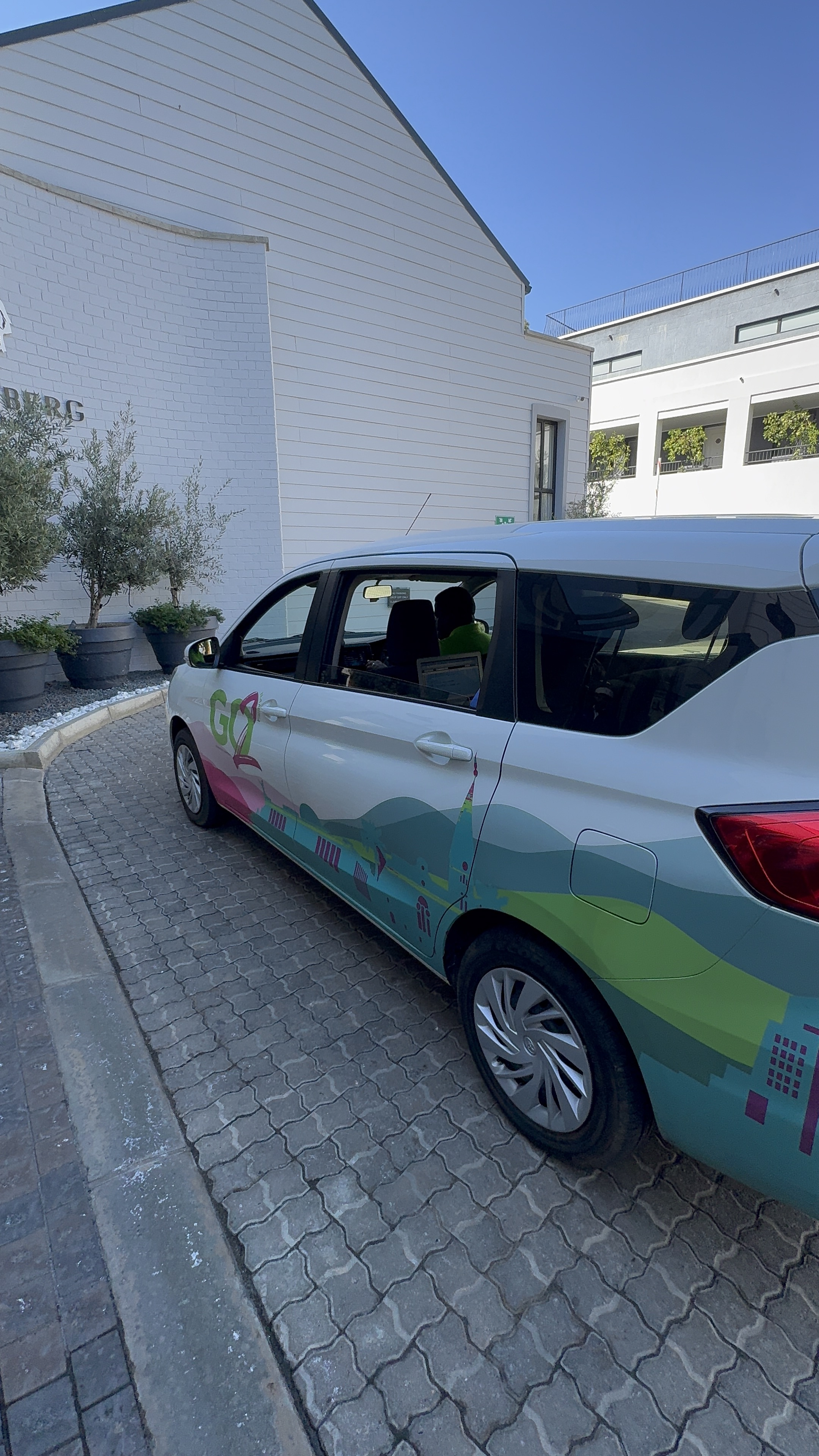
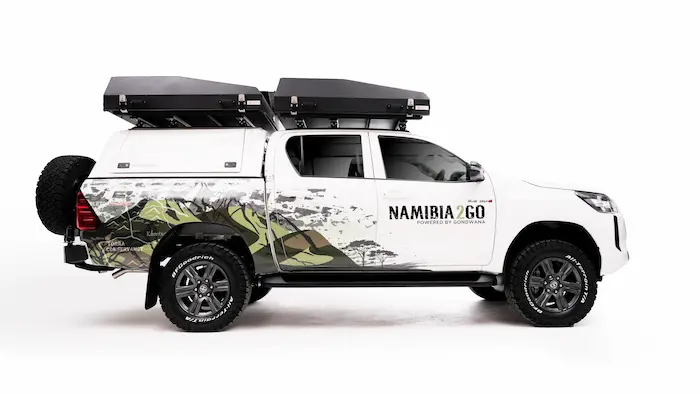
- Choose the right vehicle: a 4x4 or high-clearance vehicle is best for most routes and essential in remote regions.
- Carry water, snacks and two spare tyres on long journeys.

Health and safety
- Malaria: the risk is in the north and north-east, especially in the rainy season. Ask a travel clinic about prevention.
- Sun and heat: wear a hat and sunscreen, and drink plenty of water, especially in the desert.
- Water: tap water in larger towns is treated, but many travellers prefer bottled or filtered water.
- Safety: Namibia is one of Africa's safer destinations. Use normal precautions in towns, and never leave valuables visible in your car.
- Travel insurance with medical cover is essential, as distances to hospitals can be long.
Entry requirements
Visa rules depend on your nationality and have changed in recent years, so always check before you book. European travellers can read this detailed Namibia visa guide for Europeans.
What to pack
| Pack | Why |
|---|---|
| Warm jacket | Desert nights and early game drives are cold, especially May to September |
| Light, neutral clothing | Hot days and wildlife viewing |
| Hat, sunglasses, sunscreen | Strong sun all year |
| Closed shoes | Hot sand and rocky paths |
| Binoculars | Waterholes and birdlife |
| Power bank and car charger | Long drives and remote lodges |
| Plug adapter | South African-style sockets |

More planning help
- Choose your month with our guide to the best time to visit Namibia, or the green season guide for November to April.
- Plan your Etosha nights with where to stay in Etosha.
- Prefer someone else to handle the details? Explore our Namibia tours.
Getting to Namibia
- Most international visitors land at Hosea Kutako International Airport, about 45 km east of Windhoek. Allow about 45 minutes for the drive into the city.
- Flights from Johannesburg and Cape Town take about two hours, and there are seasonal direct flights from Frankfurt.
- Driving from South Africa is popular. If you hire a car in South Africa, you need a letter of authority from the rental company to cross the border, plus the right insurance.
- Collect your hire car at the airport or in Windhoek, and spend your first night in Windhoek if you land late. Driving to a lodge after dark is not safe.
Park fees and permits
National parks such as Etosha and the Namib-Naukluft charge a daily conservation fee per person and per vehicle, usually paid at the gate or the park office. Keep the receipt with you while you are in the park. Some areas, such as parts of the Skeleton Coast, have their own permit rules and entry times. Lodges in private reserves often include the fees in their rates. Check what is included when you book.
Food and drink
- Game meat: oryx, kudu and springbok steaks are on many menus, often cooked on the braai.
- Seafood: Walvis Bay oysters and fresh fish on the coast.
- Street food: try kapana, grilled strips of beef sold at markets in Windhoek.
- Biltong: dried, spiced meat, perfect for long road trips.
- Beer: Namibia's local lagers are brewed in the German tradition and are a point of national pride.
Culture and etiquette
Namibians are friendly and greetings matter: a handshake and a "How are you?" before getting to your question is polite. Always ask before photographing people, especially in rural communities, and accept a "no" with a smile. Dress modestly when visiting villages. Tipping guides, lodge staff and fuel attendants is customary and much appreciated.
Self-drive or guided tour?
| Self-drive | Guided tour | |
|---|---|---|
| Best for | Confident drivers who like freedom | First-time visitors, families, travellers who prefer not to drive |
| Flexibility | Stop wherever you like | A set route, planned around you |
| Wildlife | You find the animals yourself | An expert guide spots and explains |
| Effort | Long gravel drives, navigation and tyre changes | Relax while someone else drives |
Not sure which suits you? We plan both: explore our Namibia tours.
Staying in touch with home
Namibia uses the same time zone as South Africa, UTC+2, all year round. Most lodges have Wi-Fi in the main area, but signal can be weak or missing on long drives and in national parks, so tell family your route and expected arrival times. A satellite messenger or a spare phone with a local SIM adds peace of mind on remote self-drive routes.
Plan your route before you go
Namibia is a big country, and most first trips follow a loop from Windhoek: the Namib Desert, the coast at Swakopmund, Damaraland and Etosha, then back to Windhoek, over 10 to 14 days. Book accommodation for every night in advance, especially from July to October, because lodges are far apart and walk-in rooms are rare. Use our best time to visit Namibia guide to choose your month.
The road stretches empty to the horizon, the tank is full and the music is playing. With a little planning, the hardest part of a Namibia trip is deciding when to stop for photos.
Frequently asked questions
What currency is used in Namibia?
Namibia uses the Namibian dollar (N$), which is fixed one-to-one with the South African rand. The rand is accepted everywhere in Namibia.
Can I use my bank card in Namibia?
Yes. Cards are widely accepted in towns, lodges and supermarkets, but carry cash for small shops, rural fuel stations and tips.
Is it safe to drive in Namibia?
Yes, with care. Drive on the left, keep your speed down on gravel roads, avoid driving at night and fill up with fuel whenever you can.
What plugs are used in Namibia?
Namibia uses South African-style plugs, types D and M. Bring a suitable adapter.
Is Namibia safe for tourists?
Namibia is one of Africa's safer destinations. Use normal precautions in towns and never leave valuables visible in your car.
Can I drive from South Africa to Namibia in a rental car?
Yes, if the rental company allows it. You need a letter of authority from the company to cross the border, plus the right insurance. Arrange it when you book the car.
Do I need to pay park fees in Namibia?
Yes. National parks such as Etosha and the Namib-Naukluft charge daily conservation fees per person and per vehicle, usually paid at the gate. Keep the receipt while you are in the park.
Plan your Namibia trip with us
Questions about money, driving or routes? Our Namibia specialists are a WhatsApp message away.
WhatsApp Us Explore Namibia Tours