
Packing for Namibia catches people out because the country seems to have two climates in one day: hot, bright afternoons and genuinely cold nights. Add dusty gravel roads, early game drives and the cool Atlantic coast, and a good Namibia packing list makes a real difference to how comfortable your trip feels. Here's what to bring, what to leave at home, and how to pack for self-drives and fly-in safaris.
Packing at a glance
- Biggest surprise: how cold desert nights and early mornings are, especially May to September
- Colours: neutral khaki, olive and sand tones for game drives
- Bags: soft bags for fly-in safaris; check the weight limit
- Plugs: South African style, types D and M
- Don't forget: a hat, sunscreen, binoculars and a refillable water bottle
Clothing: dress in layers
The secret to packing for Namibia is layers. A cold sunrise at Sossusvlei can turn into a hot afternoon in a few hours, and you'll be adding and removing clothes all day. On early game drives in an open vehicle, the wind makes it feel even colder.
- A warm jacket: a fleece or light down jacket, essential from May to September and useful all year in the desert.
- Long-sleeved shirts: light and breathable, for sun protection and mosquito-prone evenings.
- T-shirts and shorts: for the hot middle of the day.
- Comfortable trousers: two or three pairs, ideally quick-drying.
- A warm hat, scarf and gloves: for winter game drives and stargazing.
- A windproof layer: the coast around Swakopmund is cool and often foggy, even in summer.
- Swimwear: many lodges have pools.
- Neutral colours such as khaki, olive and beige for game drives. Bright white shows the dust, and dark blue and black attract insects.
Footwear
- Closed walking shoes or light boots: for dunes, rocky paths and walking safaris. Sand gets hot by mid-morning.
- Sandals or flip-flops: for the lodge and the pool.
- Socks for the dunes: thick socks help if you climb in the heat.
Sun protection and health
- A wide-brimmed hat and sunglasses: the sun is strong all year.
- High-factor sunscreen and lip balm.
- Insect repellent: especially from November to April and in the north.
- A small first-aid kit with plasters, pain relief, rehydration sachets and any medication you need, in its original packaging.
- Malaria tablets if advised: the north and north-east carry a risk, especially in the rainy season. Ask a travel clinic before you go.
- Moisturiser and eye drops: the air is very dry.
Gear and gadgets
- Binoculars: one pair per person is ideal at Etosha's waterholes.
- A camera with a zoom lens, spare batteries and memory cards. See our Sossusvlei photography guide for tips.
- A dust-proof bag or zip-lock bags to protect electronics from fine sand.
- A plug adapter for South African-style sockets, types D and M.
- A power bank and a car charger: some remote camps have limited power.
- A head torch: for walking around camp at night.
- A refillable water bottle to cut down on plastic.
Documents and money
- Passport valid for at least six months, with blank pages.
- Visa or entry confirmation if your nationality needs one; check before you book.
- Driving licence for self-drives, plus an international driving permit if your licence isn't in English.
- Travel insurance details, including medical evacuation cover.
- Bank cards and some cash: Namibian dollars or South African rand for small shops, fuel and tips.
- Printed copies of bookings, as signal can be patchy.
Packing for a self-drive
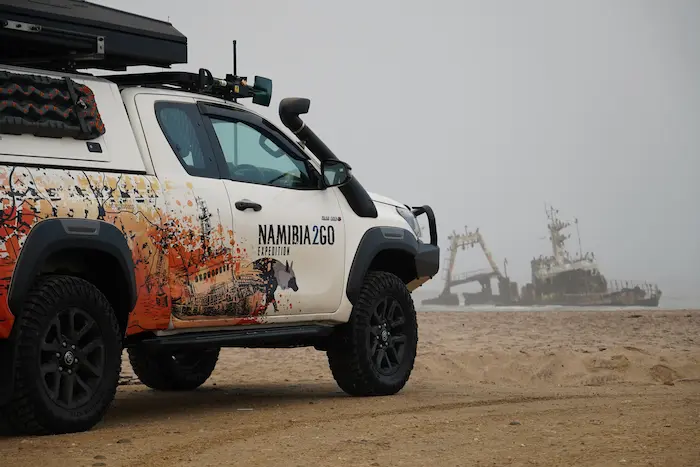
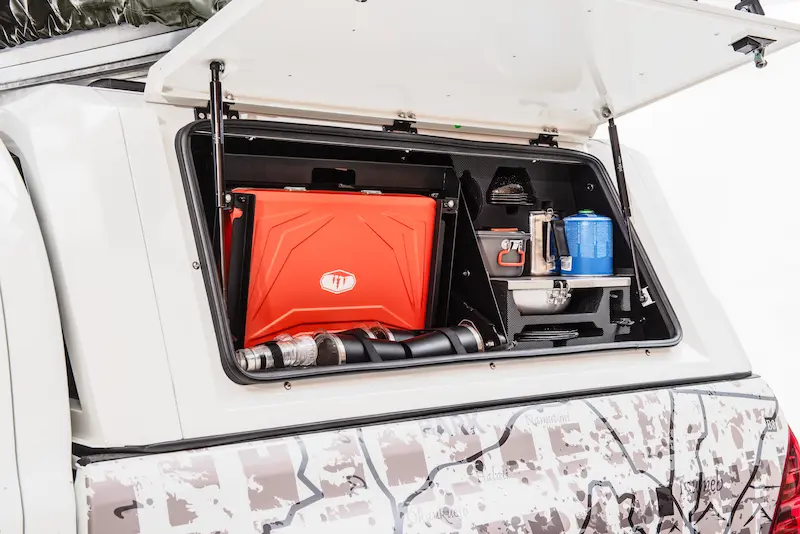
If you're driving yourself, you can carry more, but a few extras make long days on gravel much easier:
- At least 5 litres of drinking water per person in the car
- Snacks for days with few shops, and a small cool box
- Offline maps on your phone, plus a paper map as backup
- A cloth for cleaning windows and lights after dusty roads
- A small bag for rubbish, as bins are scarce
Your rental company should provide spare tyres, a jack and basic tools; check these before you leave town. Read our Namibia travel tips for more on driving.
Packing for a fly-in safari
Light aircraft have strict luggage rules. Most operators ask for soft bags without wheels or frames, and set a weight limit for each passenger that often includes your hand luggage and camera bag. Check the exact limit with your operator before you pack. Many lodges offer laundry, so you can pack less than you think.
Packing for each region
Most Namibia trips cross several very different landscapes, so think about where you'll be as well as when.
Sossusvlei and the Namib
Dunes and desert nights
Closed shoes for climbing the dunes, thick socks, a buff or scarf against blowing sand, and your warmest layer for sunrise. If you're sleeping out on a star bed, a beanie makes a big difference.
Etosha
Long hours at waterholes
Binoculars, a zoom lens, snacks and a cool box for full days in the car, plus a light blanket or jacket for early starts and evenings at the floodlit waterholes.
Swakopmund and the coast
Cool and foggy
A windproof jacket and long trousers, even in summer. Pack clothes you don't mind getting sandy for quad biking, sandboarding or a trip to Sandwich Harbour.
Damaraland and Kunene
Remote and rugged
Sturdy shoes for rocky paths, extra sunscreen, a refillable bottle and a small daypack for tracking excursions. If you plan to visit a Himba village, ask your guide what gifts are useful to bring.
Smart packing tips from our team
- Pack one warm outfit in your hand luggage, so you're ready for a cold evening even if your bag is delayed.
- Use packing cubes or bags to keep dust out of clean clothes.
- Keep a small “car bag” with your hat, sunscreen, water, snacks and camera within reach on long drives.
- Leave space for crafts: baskets, carvings and jewellery from local markets make lovely souvenirs.
Packing by season
| Season | Add to your bag |
|---|---|
| May–September (winter) | Warm jacket, beanie, gloves, thermal layer for cold nights |
| October–November | Extra sun protection, light clothing, plenty of water |
| December–April (green season) | Light rain jacket, insect repellent, quick-dry clothes |
Not sure which season suits you? Read our green season guide or the full best time to visit Namibia.
What to leave at home
- Hard-shell suitcases if you're on a fly-in safari
- Too many outfits: casual clothes are fine everywhere, even at luxury lodges
- Expensive jewellery
- Hair dryers and other high-power appliances, which may not work in camps on solar power
Your Namibia packing checklist
- Warm jacket, fleece and windproof layer
- Neutral clothing, long sleeves and trousers
- Closed shoes and sandals
- Hat, sunglasses, sunscreen and lip balm
- Binoculars, camera, spare batteries and power bank
- Plug adapter and head torch
- Passport, driving licence, insurance and cash
- First-aid kit and personal medication
When you book with us, we send a packing list matched to your route and season. Explore our Namibia tours, or message us on WhatsApp and we'll help you plan.
Frequently asked questions
What should I pack for Namibia?
Pack layers: a warm jacket for cold mornings and nights, light clothing for hot days, closed shoes, a hat, sunglasses, sunscreen, binoculars, a plug adapter and a power bank.
Is Namibia cold at night?
Yes, especially from May to September, when desert nights and early mornings can be close to freezing. A warm jacket, hat and gloves are essential.
What colours should I wear on safari in Namibia?
Neutral colours such as khaki, olive and beige are best for game drives. Bright white shows the dust, while dark blue and black attract insects.
What luggage is allowed on a fly-in safari?
Most light aircraft require soft bags without wheels or frames, with a weight limit per passenger that often includes hand luggage. Check the exact limit with your operator.
What plug adapter do I need for Namibia?
Namibia uses South African-style plugs, types D and M.
Plan your Namibia trip
Book with us and we'll send a packing list made for your route and travel dates.
WhatsApp Us Explore Namibia Tours