
There's a moment on the first morning, halfway down the steep path from the rim, when the world goes quiet. The wind drops, the canyon walls rise around you, and the river glints far below. For the next five days, there are no roads, no phone signal and no one else but your group, the rock and the stars. Hiking the Fish River Canyon is one of Africa's great wilderness adventures, and one of the most rewarding things you can do in Namibia. Here's everything you need to know: the trail, the season, permits, fitness, what to pack and what each day is really like.
Quick answer
- Distance: roughly 85 to 90 km, from the Hobas area to ǀAi-ǀAis
- Duration: usually 4 to 5 days
- Season: the cooler months only, usually from about May to mid-September
- Permits: booked through Namibia Wildlife Resorts, well in advance
- Rules: at least 3 hikers per group, no children under about 12, and a doctor's medical certificate
- Level: tough and unsupported: for fit, experienced hikers
What is the Fish River Canyon hike?
The trail follows the floor of Africa's largest canyon, starting with a steep descent near the main viewpoint at Hobas and finishing at the hot springs of ǀAi-ǀAis. There is no built path for most of the way. You follow the river south, crossing it many times, walking over boulders, sand and gravel, and taking shortcuts across the bends when the water allows. You carry everything you need, sleep on the sand under the stars and cook on a small gas stove. There are no huts, shops or facilities on the trail, and only two emergency exit points.
It sounds demanding, and it is. But hikers who complete it talk about it for the rest of their lives: the silence, the scale of the walls, the hot spring halfway, the first coffee by the river, and the friendships formed along the way. It's a journey, not a walk. If you're planning a wider trip to the canyon, our Fish River Canyon guide covers the viewpoints, lodges and hot springs for non-hikers.
When is the hiking season?
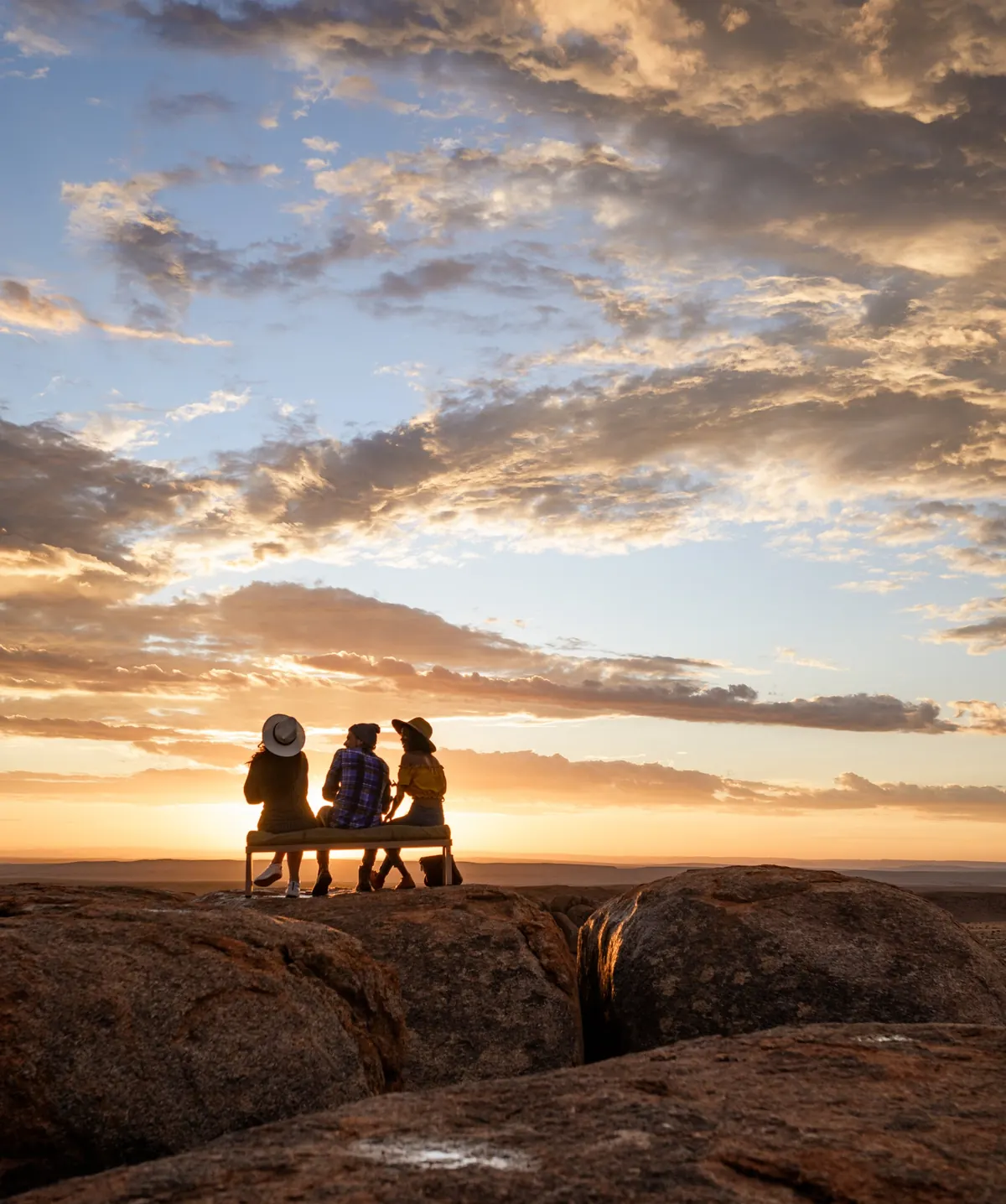
The trail is only open in the cooler months, when daytime temperatures on the canyon floor are bearable. Permits are usually issued from about May to mid-September. Outside this window, the heat in the canyon is dangerous, and summer rains can cause sudden flooding.
The exact dates are confirmed each season by Namibia Wildlife Resorts and can change. In 2026, for example, high water after good rains delayed the opening to 17 July. Always check the latest information before you book flights or leave. Even in winter, days on the canyon floor can be warm, often in the high 20s°C, while nights can drop close to freezing.
Permits and rules
| Rule | What to know |
|---|---|
| Permits | Booked through Namibia Wildlife Resorts (NWR). Popular dates and school holidays sell out months ahead |
| Group size | A minimum of three hikers per group, for safety |
| Age | Children under about 12 are not allowed |
| Medical certificate | Each hiker needs a recent certificate, signed by a doctor, confirming they are fit for the hike. Check how recent it must be when you book |
| Fires | Not allowed. Bring a gas stove for cooking |
| Waste | Carry out everything you carry in, including all litter |
| Transport | A shuttle links ǀAi-ǀAis and Hobas. Book it ahead and confirm times |
Rules and fees are reviewed each season, so treat this as a guide and confirm the details with NWR when you book. Hiking without a permit is not allowed.
What is each day like?
Every group walks at its own pace, and the river level changes how far you can take shortcuts. But a typical five-day hike looks something like this:
| Day | What to expect |
|---|---|
| Day 1 | The steep descent from the rim, with chains to hold in places, takes about two to three hours. Then slow going over large boulders along the river. The hardest day for many hikers |
| Day 2 | Boulders slowly give way to sand and gravel. Many groups aim to reach the warm sulphur spring known as Palm Springs, a famous place to soak tired legs |
| Day 3 | Longer, flatter stretches and the first big shortcuts across the bends. Landmarks such as Table Mountain come into view |
| Day 4 | Past Four Finger Rock, one of the trail's best-known landmarks, and a lonely soldier's grave from the early 1900s |
| Day 5 | The canyon widens and the final kilometres lead to ǀAi-ǀAis, where hot springs, a cold drink and a real bed are waiting |
Walking on sand and boulders is slower than on a mountain path. Plan for around 15 to 25 km a day, start early to avoid the midday heat, and stop to rest in the shade when it's hottest.
How fit do you need to be?
You need to be genuinely fit and comfortable carrying a heavy pack over rough ground for several days in a row. Previous multi-day hiking experience is strongly recommended. Start training at least two to three months before your hike:
- Walk with a loaded pack two or three times a week, building up to the weight you'll carry.
- Include hills, stairs and uneven ground to prepare your legs for the descent and the boulders.
- Do at least one back-to-back weekend of long walks to see how your body feels on day two.
- Break in your boots well before you go, and test your socks and pack together.
What to pack for the Fish River Canyon hike
- A comfortable backpack of about 55 to 70 litres. Aim to keep the total weight, including food, as light as you can, ideally under about 15 kg.
- A warm sleeping bag and a sleeping mat: nights are cold in winter.
- A light tent or bivvy for wind and dew, though many hikers sleep under the stars.
- A gas stove, fuel, a pot and lightweight food for every day, plus a spare day's supply.
- Water bottles or a bladder and a way to treat river water, such as purification tablets or a filter.
- Sturdy, broken-in hiking boots, plus sandals or old shoes for river crossings and camp.
- Sun protection: a wide-brimmed hat, sunglasses and high-factor sunscreen.
- Warm layers: a fleece, a beanie and gloves for early mornings and evenings.
- A first-aid kit with blister plasters, rehydration sachets and personal medication.
- A head torch, a trowel and a bag for rubbish.
- A satellite messenger or emergency beacon, as there is no mobile signal in the canyon.
Our Namibia packing list covers what to bring for the rest of your trip.
Safety in the canyon
- Tell someone your plan, including your start date and expected finish.
- Stay together as a group and agree on a pace that suits the slowest hiker.
- Drink regularly and treat all water from the river.
- Watch your footing on boulders, especially when tired or late in the day.
- Know where the emergency exits are, and turn back or exit if anyone becomes ill or injured.
- Respect the canyon: leave no trace, and never feed or approach wildlife.
Before and after the hike
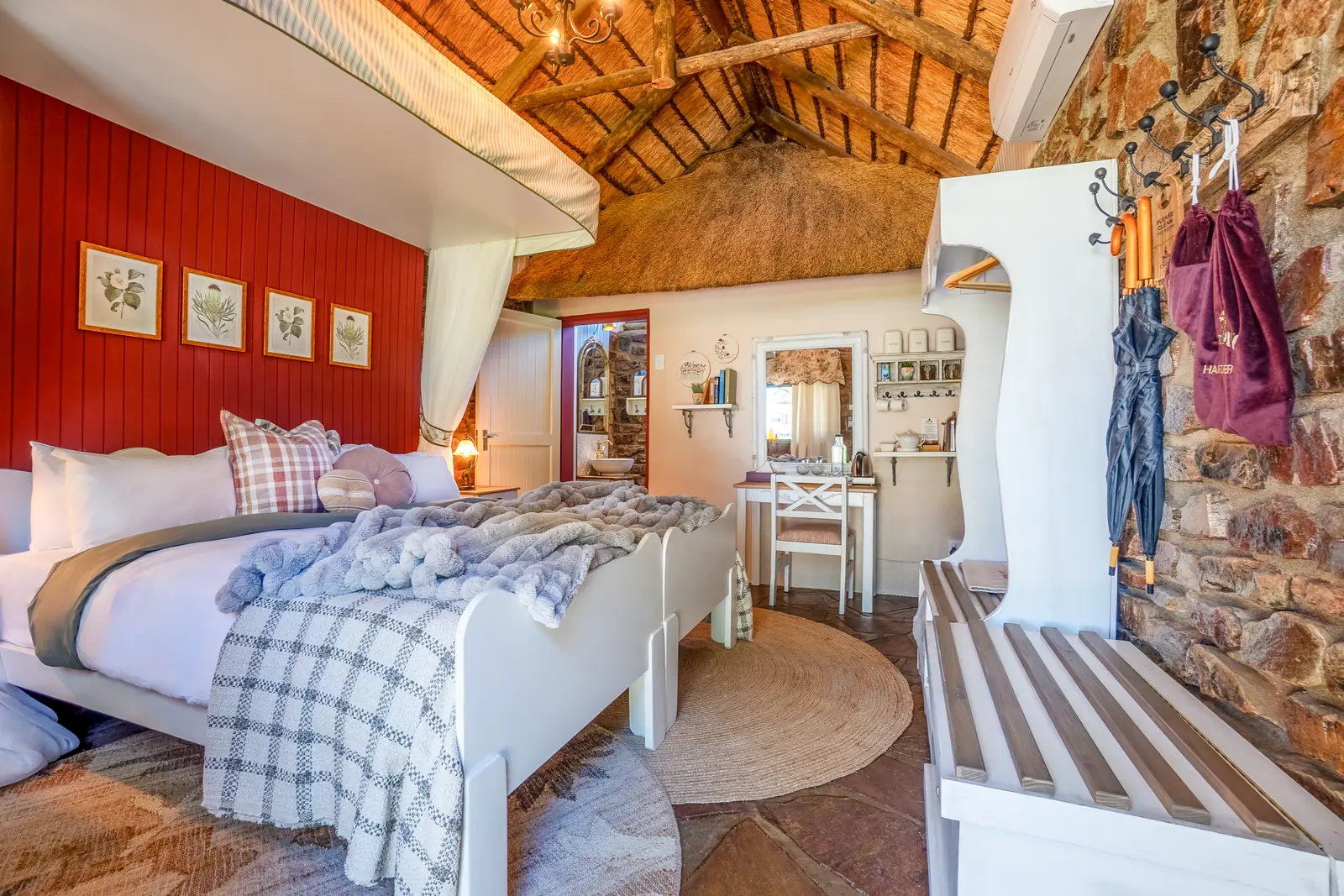
Most hikers spend the night before at or near Hobas, so they can start the descent early in the morning, and the night after at ǀAi-ǀAis, where a long soak in the hot springs is the perfect reward. Lodges in the private reserve beside the park make a comfortable base before or after. Many hikers add a few days in the south afterwards, visiting the Quiver Tree Forest near Keetmanshoop or Kolmanskop and L�«äderitz on the coast.
Not ready for the full hike?
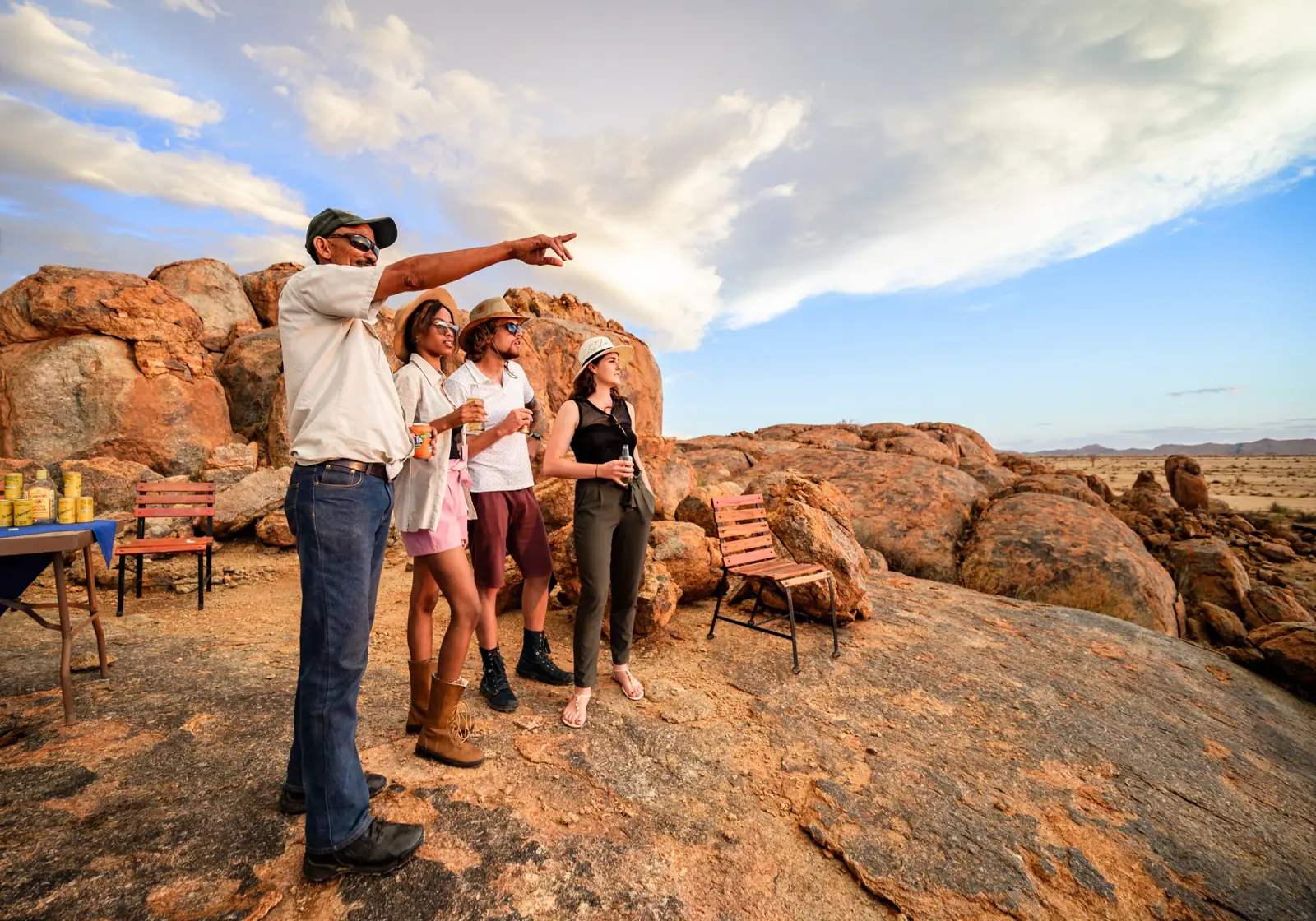
The full trail isn't for everyone, and that's fine. You can still feel the magic of the canyon from the rim. Watch the sun set from the main viewpoint near Hobas, take a scenic drive or a guided walk in the private reserve beside the park, and soak in the hot springs at ǀAi-ǀAis. Some lodges in the area offer shorter guided hikes along the rim, a lovely way to experience the landscape in a single day.
Plan your Fish River Canyon adventure
We help hikers plan the whole trip: flights and car hire, the nights before and after, shuttle bookings, and a southern Namibia route to celebrate afterwards. Tell us your dates and group size, and we'll take care of the rest. Explore our Namibia tours or message us on WhatsApp.
Photos: Canyon Roadhouse, Canyon Lodge and Gondwana Canyon Park, Fish River Canyon area.
Frequently asked questions
How long is the Fish River Canyon hike?
The trail is roughly 85 to 90 km, from the Hobas area to Ai-Ais, and most groups take four to five days.
When can you hike the Fish River Canyon?
Only in the cooler months, usually from about May to mid-September. Dates are set each season by Namibia Wildlife Resorts and can change; in 2026, high water delayed the opening to 17 July.
Do you need a permit to hike the Fish River Canyon?
Yes. Permits are booked through Namibia Wildlife Resorts, and popular dates sell out months ahead. Hiking without a permit is not allowed.
What are the rules for the Fish River Canyon hike?
Groups need at least three hikers, children under about 12 are not allowed, and each hiker needs a recent medical certificate signed by a doctor. Fires are not allowed.
How difficult is the Fish River Canyon hike?
It is a tough, unsupported hike over boulders, sand and river crossings, carrying all your gear. It suits fit hikers with multi-day experience.
Is there water on the Fish River Canyon trail?
Yes, from the river, but you must treat it with purification tablets or a filter before drinking.
Plan your canyon hike
We'll arrange flights, car hire, nights before and after, shuttles and a southern Namibia route.
WhatsApp Us Explore Namibia Tours